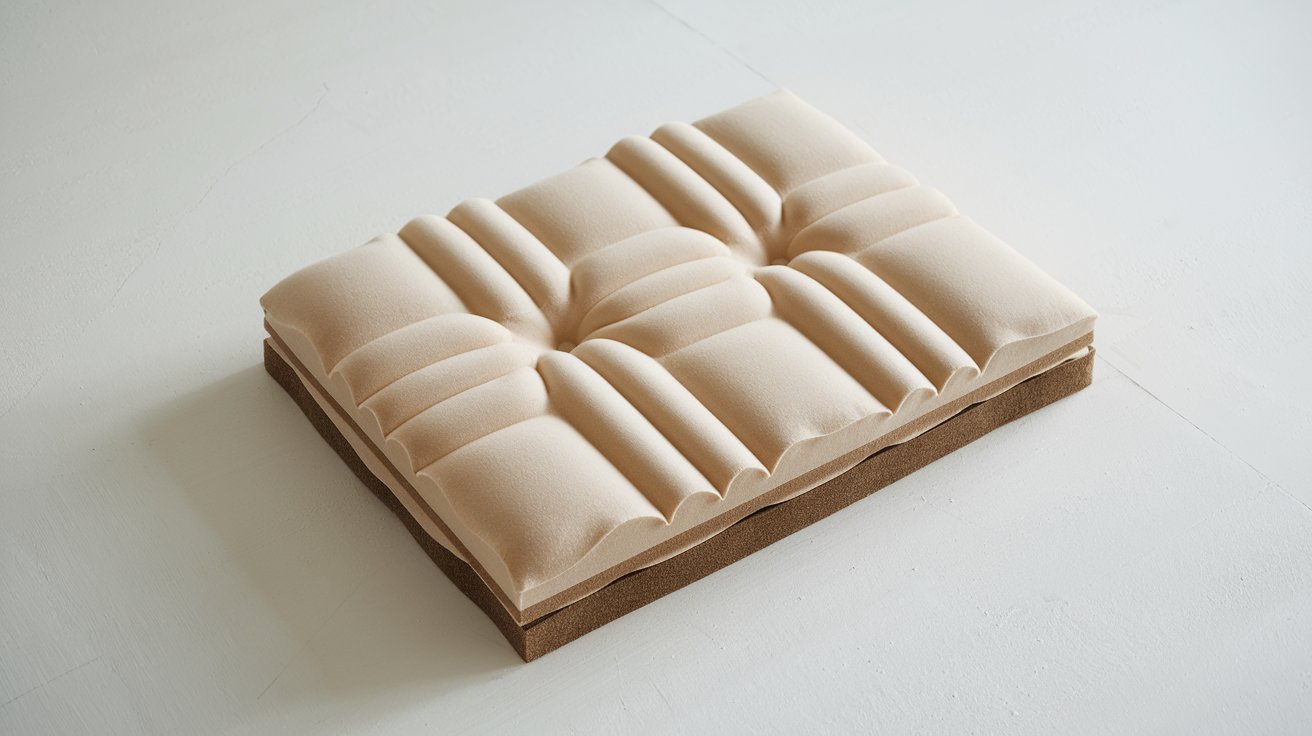
High density sofa cushion foam represents the gold standard in furniture comfort and longevity, offering superior support that maintains its shape for decades. With density ratings typically ranging from 2.0 to 3.5 pounds per cubic foot, this premium foam material provides exceptional durability while ensuring optimal comfort for daily use in American homes.
Understanding High Density Foam Specifications
High density sofa cushion foam is characterized by its weight-to-volume ratio, measured in pounds per cubic foot (PCF). Professional-grade foam typically ranges from 2.0 to 3.5 PCF, with higher densities offering superior longevity and support. The density directly correlates with the number of air cells per cubic inch, creating a more resilient structure that resists permanent compression.
In 2025, manufacturers are producing high density foam formulations that incorporate advanced polyurethane chemistry, resulting in improved recovery rates and enhanced comfort characteristics. These modern foams maintain their structural integrity even after years of daily use, making them ideal for high-traffic furniture in American households.
Density Classifications and Performance Standards
Standard density classifications for sofa cushion foam include low density (1.2-1.8 PCF), medium density (1.8-2.5 PCF), and high density (2.5-3.5+ PCF). High density options provide superior resistance to body impressions and maintain consistent support levels throughout their lifespan, typically lasting 15-20 years with regular use.
IFD Ratings and Firmness Measurements
Indentation Force Deflection (IFD) ratings measure the firmness of high density cushion foam, with ratings typically ranging from 25-45 IFD for sofa applications. Higher IFD values indicate firmer foam, while density affects durability and longevity. The optimal combination balances comfort with long-term performance for residential furniture.
Benefits of High Density Foam Construction
Investing in high density sofa foam provides numerous advantages over standard density alternatives, including enhanced durability, superior support characteristics, and improved value proposition. High density foam maintains its original shape and support properties significantly longer than lower density options, reducing the need for frequent cushion replacements.
The cellular structure of high density foam offers better weight distribution, reducing pressure points and providing consistent comfort across the entire seating surface. This translates to improved posture support and reduced fatigue during extended sitting periods, particularly important for American consumers who spend considerable time on their furniture.
Longevity and Durability Advantages
High density sofa cushion foam typically lasts 15-20 years with regular use, compared to 5-8 years for standard density alternatives. This extended lifespan results from the denser cellular structure that resists compression and maintains resilience over time, providing superior return on investment for furniture owners.
Superior Support and Comfort Features
The enhanced support characteristics of high density foam cushions provide consistent comfort levels throughout the foam’s lifespan. Users experience reduced sagging, better spinal alignment, and improved overall comfort compared to lower density options, making it ideal for daily-use furniture in American homes.
Types of High Density Foam Materials
Several types of high density foam materials are available for sofa cushions, each offering unique characteristics and performance benefits. Conventional polyurethane foam remains the most popular choice, while specialty formulations like memory foam and latex alternatives provide enhanced comfort features for specific applications.
Manufacturers in 2025 are producing hybrid foam constructions that combine multiple foam types in layered configurations, optimizing both comfort and support characteristics. These advanced designs often feature high density base layers with softer comfort layers, creating superior seating experiences.
Conventional Polyurethane High Density Foam
Standard polyurethane high density foam offers excellent durability and support characteristics at competitive price points. This foam type provides consistent performance across temperature variations and maintains its structural integrity through years of regular use, making it the preferred choice for residential furniture applications.
Memory Foam High Density Options
High density memory foam provides enhanced pressure relief and contouring capabilities while maintaining the durability benefits of dense foam construction. These options typically feature slower recovery rates and temperature sensitivity, offering customized comfort that adapts to individual body shapes and preferences.
Choosing the Right Density for Your Needs
Selecting appropriate high density sofa foam requires consideration of usage patterns, user preferences, and expected lifespan requirements. Heavy-use furniture benefits from higher density ratings (3.0+ PCF), while moderate-use pieces may perform well with 2.5-2.8 PCF options.
Body weight and seating preferences influence optimal density selection, with heavier users typically requiring higher density foam to maintain proper support and prevent premature compression. Consider consulting with furniture professionals to determine the best density rating for your specific application and usage requirements.
Usage-Based Density Recommendations
Daily-use furniture should utilize high density foam ratings of 2.8-3.5 PCF for optimal longevity, while occasional-use pieces can function well with 2.5-2.8 PCF options. Commercial applications typically require 3.0+ PCF densities to withstand frequent use and maintain professional appearance standards.
Personal Preference and Comfort Factors
Individual comfort preferences play crucial roles in foam density selection, with some users preferring firmer support while others favor softer feel characteristics. Consider trying different density options before making final selections to ensure optimal satisfaction with your furniture investment.
Installation and Replacement Considerations
Proper installation of high density sofa cushion foam ensures optimal performance and longevity from your investment. Professional installation may be recommended for complex configurations, while simple cushion replacements can often be completed as DIY projects with appropriate tools and techniques.
When replacing existing cushions with high density alternatives, consider measurements carefully to ensure proper fit within existing covers and frames. High density foam may require slight compression during installation due to its firmer characteristics and enhanced structural integrity.
Cost Analysis and Value Proposition
While high density sofa foam carries higher initial costs compared to standard alternatives, the extended lifespan and superior performance create excellent long-term value. Cost per year of service typically favors high density options when calculated over their full service life.
In 2025, high density foam prices range from $15-35 per cubic foot depending on specific density ratings and quality grades. This investment provides 15-20 years of service compared to 5-8 years from standard density alternatives, resulting in superior cost effectiveness over time.
Maintenance and Care Guidelines
Proper maintenance of high density foam cushions involves regular rotation, appropriate cleaning techniques, and protection from environmental factors that may accelerate wear. Regular rotation prevents uneven wear patterns and extends overall cushion life.
Avoid exposing high density foam to excessive heat, direct sunlight, or moisture, which can degrade foam structure over time. Use appropriate protective covers and follow manufacturer cleaning recommendations to maintain optimal performance throughout the foam’s service life.
Related video about high density sofa cushion foam
This video complements the article information with a practical visual demonstration.
Most asked questions about high density sofa cushion foam
What density foam is best for sofa cushions?
High density foam between 2.5-3.5 pounds per cubic foot provides optimal durability and comfort for sofa cushions. For daily use, 2.8+ PCF density ensures 15-20 years of reliable service while maintaining consistent support and comfort characteristics throughout its lifespan.
How long does high density sofa foam last?
High density sofa cushion foam typically lasts 15-20 years with regular use, significantly longer than standard density alternatives that last 5-8 years. The dense cellular structure resists compression and maintains resilience, providing superior long-term value for furniture investments.
Is high density foam more expensive than regular foam?
Yes, high density foam costs $15-35 per cubic foot compared to $8-15 for standard density options. However, the extended 15-20 year lifespan versus 5-8 years for regular foam creates superior cost-per-year value, making it a wise long-term investment.
Can I replace my existing sofa cushions with high density foam?
Most existing sofa cushions can be replaced with high density alternatives. Measure your current cushions carefully and consider that high density foam may be slightly firmer and require gentle compression during installation. Professional installation may be beneficial for complex configurations.
What IFD rating should I choose for comfort?
For sofa cushions, IFD ratings between 28-40 provide optimal comfort for most users. Combine this with 2.8+ PCF density for daily use furniture. Heavier users may prefer higher IFD ratings (35-45) for additional support, while lighter users may prefer 25-32 IFD ranges.
How do I maintain high density foam cushions?
Maintain high density foam cushions by rotating them regularly, using protective covers, and avoiding excessive heat or moisture exposure. Clean according to manufacturer guidelines and ensure proper ventilation. Regular rotation prevents uneven wear and extends the 15-20 year expected lifespan.
| Density Range | Expected Lifespan | Best Application |
|---|---|---|
| 2.5-2.8 PCF | 12-15 years | Moderate use furniture |
| 2.8-3.2 PCF | 15-18 years | Daily use residential |
| 3.2+ PCF | 18-20+ years | Heavy use/commercial |