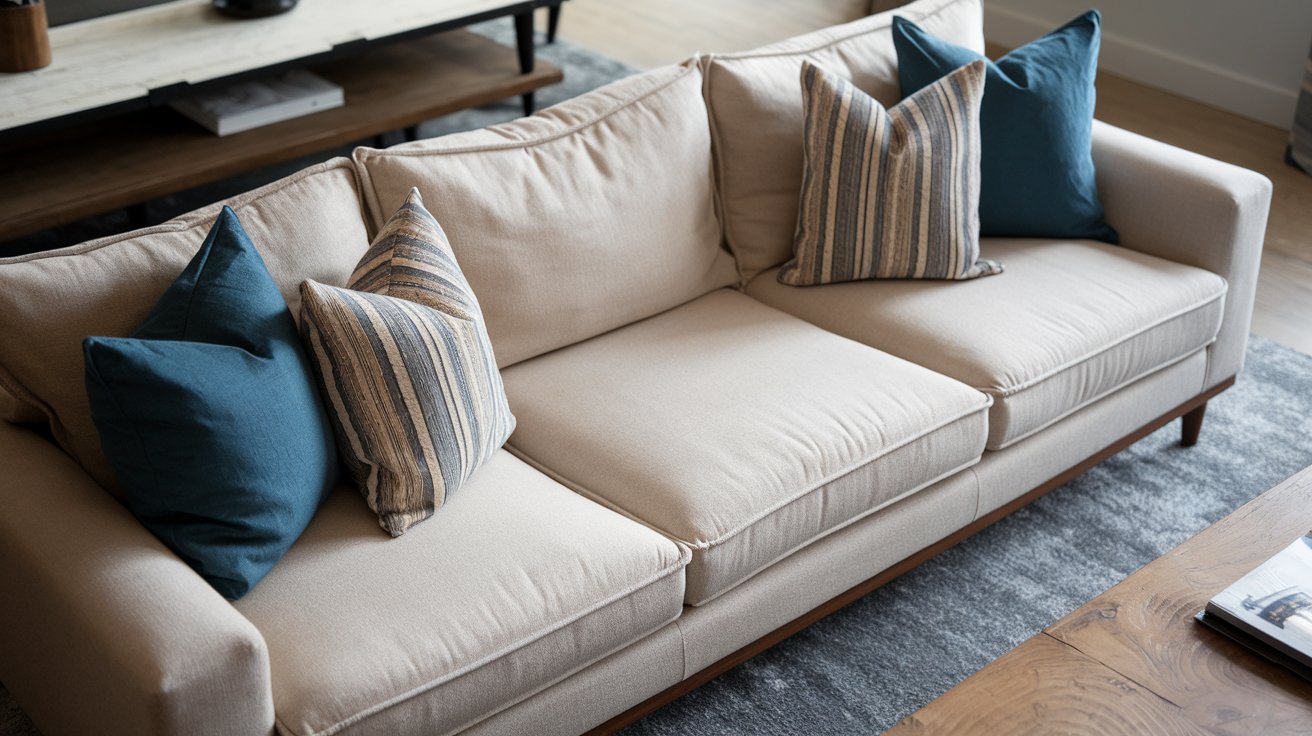
Finding the right foam cushion replacements for couch can transform your tired furniture into a comfortable seating solution again. Whether your couch cushions have lost their shape, become too soft, or developed permanent indentations, quality replacement foam offers an affordable alternative to buying new furniture. This comprehensive guide covers everything you need to know about selecting, measuring, and installing new foam cushions in 2025.
Types of Foam for Couch Cushion Replacements
Understanding different foam cushion replacements for couch materials is essential for making the right choice. High-density polyurethane foam remains the most popular option for couch cushions, offering excellent durability and support. This foam type typically ranges from 1.5 to 3.0 pounds per cubic foot, with higher densities providing better longevity and support for daily use.
Memory foam cushion replacements have gained popularity for their pressure-relieving properties and custom contouring. While more expensive than traditional polyurethane, memory foam couch cushions provide superior comfort for extended sitting periods. Latex foam offers natural resilience and breathability but comes at a premium price point, making it ideal for eco-conscious consumers seeking long-lasting comfort.
High-Density Polyurethane Foam Benefits
High-density polyurethane foam stands out as the most cost-effective foam cushion replacement option for most households. This foam type maintains its shape for 8-12 years under normal use, making it an excellent investment for frequently used furniture. The closed-cell structure provides consistent support while resisting sagging and compression over time.
Memory Foam Cushion Advantages
Memory foam couch cushion replacements offer therapeutic benefits for people with back pain or joint issues. The viscoelastic properties distribute body weight evenly, reducing pressure points and improving circulation during extended sitting sessions. However, memory foam tends to retain heat and may feel too soft for some users who prefer firmer seating surfaces.
Measuring Your Couch for Replacement Cushions
Accurate measurements are crucial when ordering foam cushion replacements for couch to ensure a perfect fit. Start by removing existing cushions and measuring the length, width, and thickness of each cushion separately. Add one inch to the length and width measurements to account for foam compression when inserted into cushion covers.
For thickness measurements, consider whether you want to maintain the original height or adjust it for better comfort. Most replacement couch cushions range from 3 to 6 inches thick, with 4-5 inches being the sweet spot for optimal comfort and support. Document each cushion’s measurements separately, as many couches have differently sized cushions across the seating area.
Foam Density Guide for Couch Cushions
Selecting the right density for your foam cushion replacements directly impacts comfort and longevity. Low-density foam (1.2-1.5 lbs/ft³) works well for occasional seating but may compress quickly under regular use. Medium-density foam (1.6-2.0 lbs/ft³) provides balanced comfort and durability for most households with moderate usage patterns.
High-density foam (2.1-3.0 lbs/ft³) offers maximum durability and support, making it ideal for couch cushion replacements in high-traffic areas or for heavier individuals. While more expensive initially, high-density foam replacements can last 50% longer than lower-density alternatives, providing better long-term value for most homeowners.
Choosing Density Based on Usage
Daily-use couches benefit from medium to high-density foam cushion replacements to maintain shape and comfort over time. Guest room furniture or occasional seating can utilize lower-density foam for cost savings without sacrificing immediate comfort. Consider the primary users’ weight and sitting habits when selecting foam density for optimal performance.
Firmness vs Density Considerations
Foam density and firmness are related but distinct properties in couch cushion replacements. Higher density doesn’t always mean firmer feel, as foam can be formulated to provide soft comfort with high durability. Medium-firm foam offers the best balance for most users, providing initial comfort while maintaining support throughout the day.
Top Foam Cushion Replacement Brands in 2025
Several manufacturers dominate the foam cushion replacements for couch market with quality products and reliable service. The Foam Factory leads in custom-cut foam solutions, offering precise measurements and multiple density options for residential customers. Their high-density polyurethane foam consistently receives positive reviews for durability and value.
FoamOrder specializes in replacement cushions for specific furniture brands and offers comprehensive measuring guides for DIY installations. Their replacement couch cushions come with detailed installation instructions and customer support for sizing questions. Sleep On Latex provides premium natural latex foam options for environmentally conscious consumers seeking chemical-free alternatives.
DIY Installation of Foam Cushion Replacements
Installing foam cushion replacements for couch requires basic tools and careful attention to detail for professional results. Begin by carefully removing old foam from existing covers, noting any zippers or access points for easier installation. Clean cushion covers thoroughly before inserting new foam to ensure optimal appearance and hygiene.
Compress new foam slightly when inserting into covers to avoid stretching or tearing fabric. Work systematically from one end to the other, ensuring foam settles evenly within the cover. Quality foam cushion replacements should fill the cover completely without excessive compression or loose areas that could lead to uneven wear patterns.
Tools Needed for Installation
Essential tools for installing replacement couch cushions include fabric scissors for trimming excess material, needle-nose pliers for managing zippers, and a vacuum cleaner for cleaning covers. A spray bottle with water can help compress foam temporarily during difficult installations, making the process smoother and reducing fabric stress.
Professional Installation Tips
Professional upholsterers recommend working with foam cushion replacements at room temperature for optimal flexibility. Cold foam can be stiff and difficult to manipulate, while warm foam compresses more easily during installation. Take breaks during installation to prevent rushing and potentially damaging cushion covers or foam material.
Cost Analysis of Foam Cushion Replacements
The cost of foam cushion replacements for couch varies significantly based on size, density, and foam type. Standard high-density polyurethane foam typically costs $30-80 per cushion, while memory foam replacements range from $60-150 per cushion. Custom-cut foam services may add $10-25 per cushion for precise sizing and professional cutting.
Compared to purchasing new furniture, replacement couch cushions offer substantial savings of 60-80% while extending furniture life by 5-10 years. Factor in the environmental benefits of avoiding furniture disposal and the convenience of keeping familiar, comfortable seating arrangements when evaluating replacement costs versus new furniture purchases.
Maintenance Tips for Extended Foam Life
Proper maintenance significantly extends the lifespan of foam cushion replacements and maintains optimal comfort levels. Rotate cushions weekly to ensure even wear distribution and prevent permanent indentations from developing in high-use areas. This simple practice can extend foam life by 30-50% compared to stationary positioning.
Protect couch cushion replacements from direct sunlight and excessive heat, which can break down foam structure over time. Use furniture covers or reposition couches away from heating vents and large windows. Address spills immediately to prevent moisture penetration that could lead to mold or mildew development within foam cores.
Cleaning and Care Guidelines
Regular vacuuming helps maintain foam cushion replacements by removing debris and preventing fabric deterioration. Use upholstery attachments to clean covers thoroughly without applying excessive pressure that could compress foam unnecessarily. Professional cleaning every 12-18 months helps maintain appearance and hygiene for frequently used furniture.
Storage Recommendations
When storing spare replacement couch cushions or seasonal furniture, keep foam in cool, dry environments away from direct sunlight. Avoid compressing foam for extended periods, as this can lead to permanent deformation. Wrap foam in breathable covers to prevent dust accumulation while maintaining airflow for optimal storage conditions.
Environmental Impact of Foam Replacement
Choosing foam cushion replacements for couch over new furniture significantly reduces environmental impact through extended product lifecycles. Each replacement project prevents approximately 150-300 pounds of furniture from entering landfills while reducing demand for new resource extraction and manufacturing processes.
Eco-friendly foam cushion replacement options include CertiPUR-US certified foams that meet strict environmental and health standards. These foams contain no ozone depleters, heavy metals, or harmful flame retardants, making them safer for households and the environment. Some manufacturers offer recycling programs for old foam, further reducing waste streams.
Related video about foam cushion replacements for couch
This video complements the article information with a practical visual demonstration.
Frequently Asked Questions
How long do foam cushion replacements typically last?
High-quality foam cushion replacements typically last 8-12 years with regular use. High-density foam (2.0+ lbs/ft³) provides the longest lifespan, while lower-density foams may need replacement after 5-7 years. Proper maintenance, including regular rotation and protection from sunlight, can extend foam life significantly.
Can I replace just one cushion or do I need to replace all cushions at once?
You can replace individual cushions, but replacing all cushions ensures uniform comfort and appearance. Mixed foam densities or ages can create uneven seating experiences. If budget is a concern, prioritize replacing the most worn cushions first and complete the set gradually for consistent results.
What foam density should I choose for daily use couches?
For daily use couches, choose medium to high-density foam (1.8-2.5 lbs/ft³) for optimal durability and comfort. This density range provides excellent support while maintaining comfort for extended sitting periods. Higher densities cost more initially but offer better long-term value through extended lifespan.
How do I know if my couch needs new foam cushions?
Replace foam cushions when they no longer return to original shape after use, have visible sagging or indentations, or feel uncomfortably soft. Loss of support, uneven surfaces, or cushions that compress completely under normal weight indicate foam deterioration requiring replacement.
Are custom-cut foam cushions worth the extra cost?
Custom-cut foam cushions ensure perfect fit and professional appearance, making the extra $10-25 per cushion worthwhile for most applications. Precise sizing eliminates gaps, bulging, or loose areas that can develop with incorrectly sized foam, providing better comfort and extending cushion cover life.
Can I install foam cushion replacements myself?
Yes, most homeowners can successfully install foam cushion replacements with basic tools and careful attention to detail. The process involves removing old foam, cleaning covers, and carefully inserting new foam. Allow extra time for the first installation and consider professional help for valuable or complex furniture pieces.
| Foam Type | Density Range | Lifespan | Best For |
|---|---|---|---|
| High-Density Polyurethane | 2.0-3.0 lbs/ft³ | 8-12 years | Daily use couches |
| Memory Foam | 3.0-5.0 lbs/ft³ | 6-10 years | Therapeutic support |
| Medium-Density Polyurethane | 1.6-2.0 lbs/ft³ | 6-8 years | Moderate use furniture |