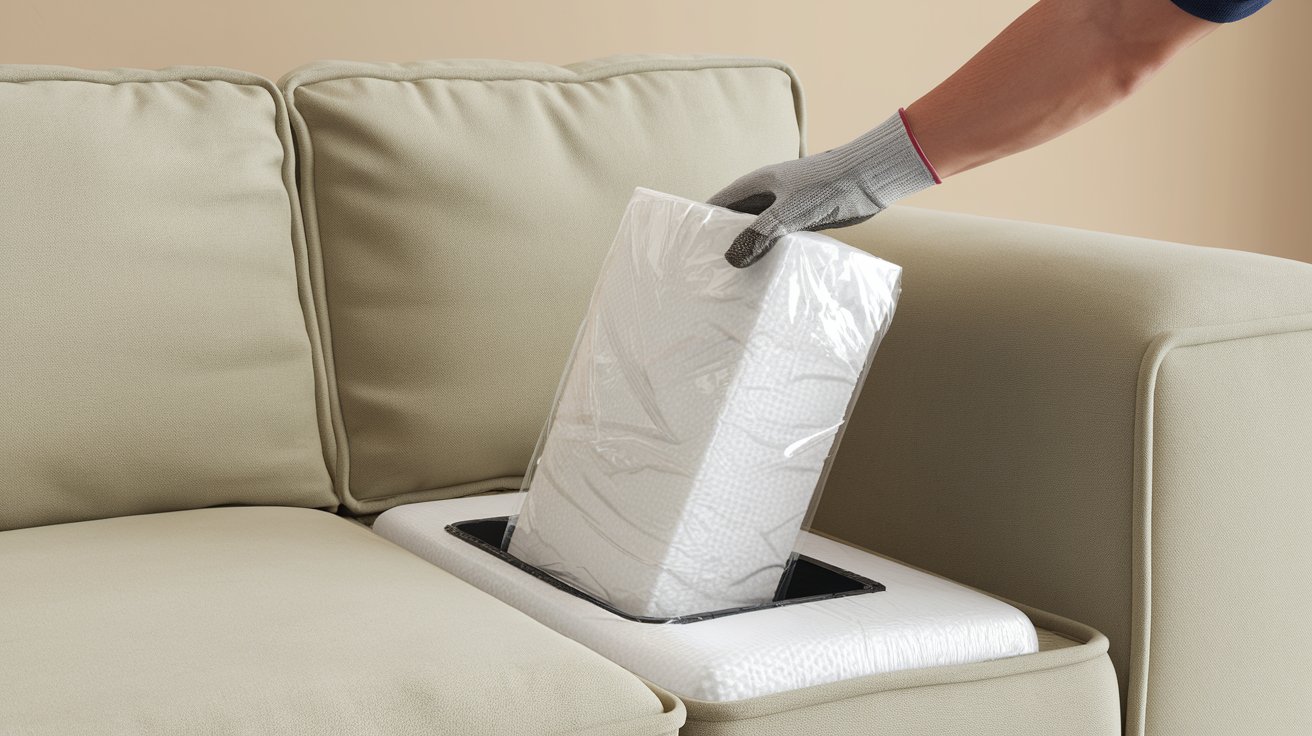
Adding foam to your couch cushions is an effective way to restore comfort and firmness to sagging furniture. This comprehensive guide covers everything you need to know about selecting the right foam density, measuring cushions accurately, and completing the insertion process safely. With proper foam addition, you can extend your sofa’s lifespan by 5-10 years while saving thousands on replacement costs.
Signs Your Couch Cushions Need Additional Foam
Recognizing when your cushions require foam replacement or addition helps prevent further deterioration. Visible sagging that doesn’t recover after use indicates worn internal support structures. If cushions feel significantly softer than when new or show permanent indentations from body weight, the foam density has likely degraded beyond normal wear.
Additional warning signs include uneven cushion surfaces that create uncomfortable seating positions. Cushions that compress completely under normal body weight or fail to provide adequate back support also need foam enhancement. In 2024, furniture experts recommend addressing these issues within 12-18 months of first noticing symptoms to prevent structural damage to the couch frame.
Types of Foam for Couch Cushion Enhancement
Memory foam inserts provide excellent pressure relief and conform to body contours, making them ideal for frequently used seating areas. High-density polyurethane foam offers superior durability and maintains shape longer than standard foam options. In the United States market, quality foam typically ranges from 1.8 to 3.0 pounds per cubic foot density.
Latex foam presents a natural alternative with excellent breathability and longevity, though it costs 40-60% more than synthetic options. Gel-infused foam varieties help regulate temperature during extended use, particularly beneficial in warmer climates. Professional upholsterers in 2025 increasingly recommend layered foam systems combining different densities for optimal comfort and support.
Memory Foam Benefits and Applications
Memory foam excels in pressure point relief and adapts to individual body shapes over time. This foam type works exceptionally well for cushions used by people with back pain or mobility issues. Memory foam inserts typically last 8-12 years with proper care and maintain consistent support throughout their lifespan.
High-Density Polyurethane Characteristics
High-density polyurethane foam offers the best value-to-durability ratio for most homeowners. This foam type resists sagging better than low-density alternatives and provides firm, consistent support. Professional furniture makers use 2.5-3.0 density polyurethane for premium seating applications in commercial and residential settings.
Measuring Couch Cushions for Foam Addition
Accurate measurement ensures proper foam fit and optimal comfort after installation. Remove existing cushion covers completely and measure the internal foam dimensions, not the cover size. Standard couch cushions measure 20-24 inches deep, 18-22 inches wide, and 4-6 inches thick, though custom sofas may vary significantly.
Add 1-2 inches to length and width measurements when ordering replacement foam pieces to ensure complete fill of the cover. For thickness, consider whether you want to maintain original height or increase firmness with thicker foam. Professional upholsterers recommend taking measurements at multiple points since older cushions may have compressed unevenly over time.
Tools and Materials Needed for Foam Installation
Essential tools include a sharp utility knife or electric carving knife for precise foam cutting. Heavy-duty scissors help trim excess material and adjust foam edges. A measuring tape, marker, and straight edge ensure accurate cuts and proper alignment during installation.
Additional materials include spray adhesive for foam bonding if combining layers, and protective gloves to prevent skin irritation during handling. A vacuum cleaner helps remove foam particles and debris from work areas. Professional-grade foam cutting tools cost $25-75 but provide significantly cleaner cuts than household alternatives.
Cutting Tools Selection Guide
Electric carving knives produce the smoothest cuts through thick foam layers and reduce hand fatigue during large projects. Utility knives work well for thin foam additions but require multiple passes through dense materials. Heated foam cutting tools, available for $40-80, create sealed edges that resist crumbling over time.
Safety Equipment Requirements
Proper ventilation prevents inhalation of foam particles during cutting and reduces exposure to adhesive fumes. Safety glasses protect eyes from flying debris, while dust masks filter airborne particles. Work gloves prevent cuts from sharp tools and reduce skin contact with chemical treatments on some foam types.
Step-by-Step Foam Addition Process
Begin by completely removing existing cushion covers and old foam to assess the current condition. Clean the work area thoroughly and lay out all tools and materials within easy reach. Measure and mark cutting lines on the new foam using a permanent marker and straight edge for accuracy.
Cut foam pieces slightly larger than final dimensions, then trim to exact size after test fitting. Insert foam into cushion covers gradually, working from corners toward the center to prevent bunching. Use gentle pressure to position foam evenly without forcing or compressing the material excessively during installation.
Professional vs DIY Foam Installation
Professional upholstery services charge $75-150 per cushion for complete foam replacement and installation. This cost includes expert measurement, high-quality foam selection, and warranty coverage on workmanship. Professional installation typically takes 1-2 hours per cushion depending on complexity and custom fitting requirements.
DIY installation costs $25-60 per cushion for materials only but requires 2-4 hours of work per cushion for first-time attempts. DIY projects save 60-75% on total costs but lack professional guarantees. Complex cushion shapes or premium foam types may require specialized tools that increase DIY project expenses.
When to Choose Professional Installation
Professional installation makes sense for expensive furniture or complex cushion designs that require specialized cutting techniques. Antique or designer sofas benefit from professional expertise to maintain value and appearance. If cushions need structural repairs beyond simple foam replacement, professional assessment prevents costly mistakes.
DIY Installation Success Factors
Successful DIY projects require adequate workspace and proper tools for clean, accurate cuts. Take time to practice cutting techniques on scrap foam before working with expensive materials. Follow manufacturer guidelines for foam handling and storage to prevent damage during the installation process.
Common Foam Installation Mistakes to Avoid
Cutting foam too small creates gaps that reduce cushion support and comfort. Oversized foam pieces bunch inside covers and create lumpy, uneven surfaces. Using incorrect foam density results in cushions that feel too firm or too soft for intended use patterns.
Forcing foam into tight covers can tear both materials and compromise long-term durability. Mixing different foam types without considering compatibility may create uneven support or accelerated wear. In 2024, foam manufacturers report that 35% of installation failures result from improper size calculations or rushed cutting processes.
Maintaining Foam-Enhanced Couch Cushions
Regular rotation prevents uneven wear patterns and extends foam life by distributing pressure across different areas. Flip cushions weekly and rotate positions monthly to maintain consistent comfort and appearance. Proper support from quality couch frames prevents premature foam compression and structural damage.
Vacuum cushions monthly to remove dust and debris that can accelerate foam breakdown. Address spills immediately to prevent moisture damage that degrades foam integrity over time. Professional cleaning every 12-18 months removes deep-seated contaminants and maintains optimal hygiene in frequently used furniture.
Related video about add foam to couch cushion
This video complements the article information with a practical visual demonstration.
Questions & Answers
How much does it cost to add foam to couch cushions?
Adding foam to couch cushions typically costs $25-60 per cushion for DIY projects, including high-quality foam and basic tools. Professional installation ranges from $75-150 per cushion but includes expert fitting and warranties. Memory foam options cost 30-50% more than standard polyurethane alternatives but provide superior comfort and longevity.
What density foam is best for couch cushions?
High-density foam between 2.5-3.0 pounds per cubic foot provides optimal comfort and durability for most couch applications. Medium-density foam (1.8-2.4 lbs/ft³) works well for occasional use furniture, while firmer densities above 3.0 suit heavy-use commercial applications. Memory foam typically ranges from 3.0-5.0 lbs/ft³ for premium comfort.
How long does new couch cushion foam last?
Quality foam cushions last 8-12 years with proper care and regular rotation. High-density polyurethane foam maintains support for 10+ years in residential settings, while memory foam typically lasts 8-10 years. Foam longevity depends on usage frequency, body weight, and maintenance practices including regular cleaning and rotation.
Can I add foam to existing cushions without removing covers?
Adding foam without removing covers is possible but not recommended for optimal results. Existing foam may compress unevenly or create lumps when combined with new material. Complete foam replacement after cover removal ensures proper fit, eliminates worn components, and provides consistent comfort across the entire cushion surface.
What tools do I need to cut foam for couch cushions?
Essential foam cutting tools include a sharp utility knife or electric carving knife for clean cuts through thick materials. A measuring tape, permanent marker, and straight edge ensure accurate dimensions. Protective equipment like gloves and safety glasses prevents injury during cutting. Electric foam cutters ($40-80) provide professional-quality results for larger projects.
Should foam be larger than the cushion cover?
Foam should be 1-2 inches larger than the cover’s internal dimensions to ensure complete fill and proper support. Slightly oversized foam compresses to fit snugly inside covers without creating gaps or loose areas. However, excessive oversizing can make installation difficult and create uncomfortable lumpy textures that affect seating comfort.
| Foam Type | Cost Per Cushion | Expected Lifespan |
|---|---|---|
| High-Density Polyurethane | $25-40 | 10-12 years |
| Memory Foam | $40-60 | 8-10 years |
| Latex Foam | $50-80 | 12-15 years |