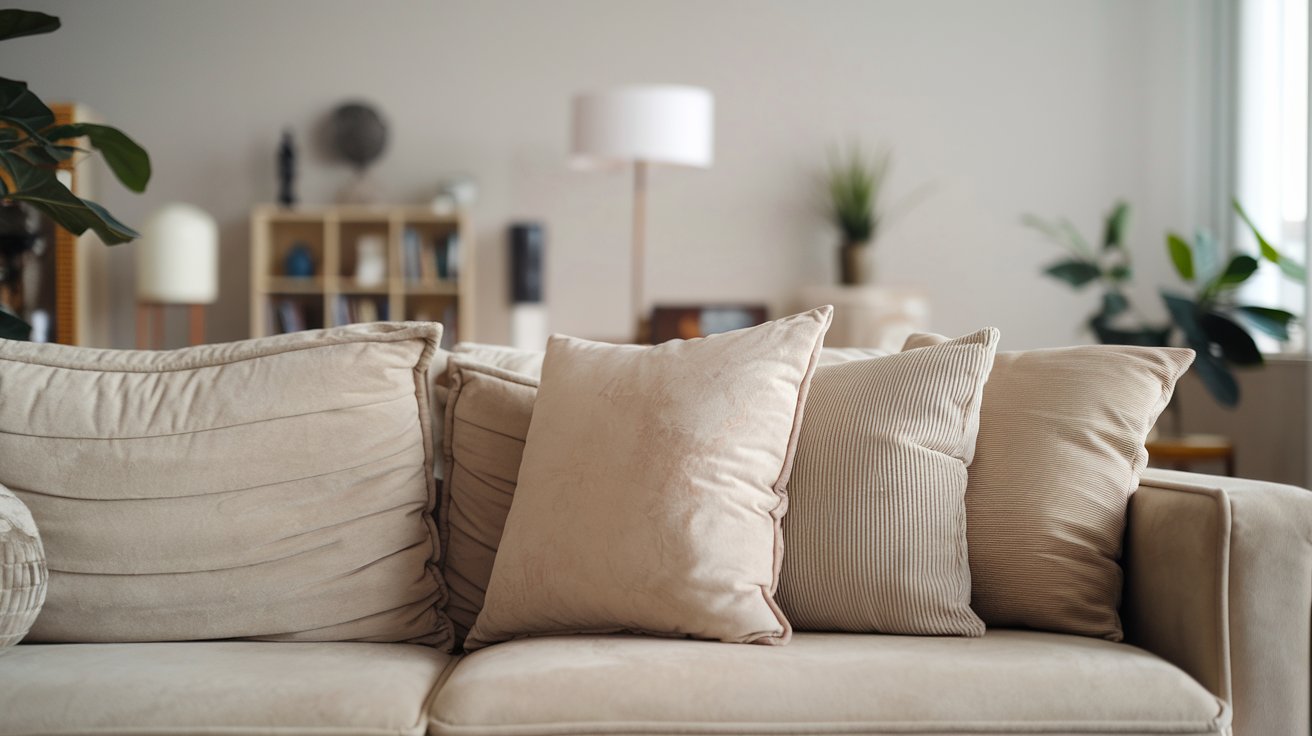
Instead of throwing away old couch cushions, you can transform them into valuable household items, donate them to worthy causes, or recycle them responsibly. From creating pet beds and outdoor furniture to crafting storage solutions and exercise equipment, worn cushions have countless second lives that benefit both your home and the environment.
Creative DIY Projects for Old Couch Cushions
Repurposing old couch cushions into functional DIY projects saves money while reducing household waste. According to the EPA’s 2024 waste management report, Americans generate over 12 million tons of furniture waste annually, making creative reuse essential for environmental sustainability. These projects require basic crafting skills and common household tools.
The versatility of couch cushion foam and fabric makes them perfect for numerous home improvement projects. Whether your cushions are slightly worn or completely flattened, different parts can serve various purposes throughout your living space.
Transform Cushions into Pet Beds and Accessories
Create comfortable pet beds from old cushions by removing the existing cover and adding washable fabric suitable for your pet’s size. Large couch cushions work perfectly for dogs, while smaller back cushions suit cats and small pets. Add waterproof liners to protect the foam from accidents and ensure easy cleaning.
Build Outdoor Furniture and Seating Solutions
Outdoor cushion projects extend your living space while weatherproofing old materials. Wrap cushions in outdoor-rated fabric and create patio seating, garden kneelers, or poolside loungers. The foam provides excellent support for extended outdoor activities, and proper covering ensures durability against weather elements.
Home Organization and Storage Solutions
Convert old cushions into storage solutions that maximize space efficiency while maintaining comfort. Hollow out partially worn cushions to create hidden storage compartments, or use firm foam pieces as drawer organizers and closet dividers. These solutions work particularly well in small apartments and dorm rooms.
Storage ottomans made from repurposed cushion foam provide dual functionality as seating and organization tools. Cover with decorative fabric matching your decor, and add sturdy wooden bases for long-lasting furniture pieces that cost significantly less than retail alternatives.
Create Custom Closet and Drawer Organizers
Cut cushion foam into precise shapes for custom drawer dividers that protect delicate items like jewelry, electronics, and collectibles. The soft material prevents scratching while maintaining organization in frequently used storage areas. This solution works especially well for craft supplies and tool organization.
Design Hidden Storage Compartments
Hollow out thick couch cushions to create discrete storage spaces for valuable items, seasonal decorations, or rarely used household goods. Maintain the original appearance while gaining functional storage that integrates seamlessly with existing furniture arrangements.
Exercise and Wellness Applications
Fitness equipment from old cushions provides affordable alternatives to expensive gym accessories. Firm cushions work excellently as yoga props, meditation seats, and exercise mats for floor workouts. The supportive foam reduces strain on joints during low-impact activities.
Physical therapy applications for repurposed cushion foam include lumbar support, knee elevation during recovery, and comfortable positioning aids for individuals with mobility challenges. Healthcare professionals often recommend similar foam densities for home therapy equipment.
Donation and Community Benefits
Many organizations accept old couch cushions for community programs and charitable purposes. Animal shelters particularly benefit from clean cushions that provide comfort for rescued pets awaiting adoption. Contact local shelters to confirm their specific donation requirements and drop-off procedures.
Community centers, homeless shelters, and disaster relief organizations often need cushion donations for temporary housing and comfort stations. Ensure cushions are clean, odor-free, and structurally sound before donating to maximize their usefulness for recipients.
Animal Shelter and Rescue Organizations
Animal welfare organizations use donated cushions for kennel comfort, outdoor runs, and recovery areas for injured or sick animals. Many shelters maintain wish lists specifically requesting cushions and soft furnishing materials that improve animal comfort during shelter stays.
Human Services and Emergency Relief
Emergency shelters and transitional housing facilities benefit from cushion donations that provide basic comfort for individuals experiencing homelessness or displacement. Clean, well-maintained cushions offer dignity and physical comfort during difficult circumstances.
Professional Recycling and Disposal Methods
Eco-friendly cushion disposal requires understanding local recycling capabilities and foam processing facilities. Many municipalities now accept furniture foam through specialized recycling programs that convert materials into carpet padding, automotive parts, and construction materials.
Professional furniture recycling services in major US cities offer pickup and processing services for bulky items including couch cushions. These services typically charge fees ranging from $25-75 per pickup, but ensure proper environmental handling of materials that cannot be processed through standard waste streams.
Municipal Recycling Programs
Research your city’s bulk waste recycling options for furniture components including cushions. Many areas offer seasonal bulk pickup programs or permanent drop-off locations that accept foam materials for specialized processing and remanufacturing.
Private Recycling Companies
Commercial foam recycling companies process cushion materials into new products including carpet padding, packaging materials, and industrial insulation. Some companies offer direct consumer services while others work exclusively with furniture retailers and manufacturers.
Cost-Effective Replacement Strategies
Before disposing of old couch cushions, consider replacement options that extend furniture life while maintaining comfort and appearance. Professional cushion replacement services cost 60-80% less than purchasing new furniture while providing customization options unavailable with mass-produced items.
DIY cushion replacement projects allow complete control over firmness, size, and fabric selection. High-density foam costs approximately $20-40 per cushion depending on dimensions, while professional-grade upholstery fabric ranges from $15-50 per yard for durable options suitable for heavy-use furniture.
Related video about what to do with old couch cushions
This video complements the article information with a practical visual demonstration.
Questions & Answers
Can I donate old couch cushions to charity?
Yes, many animal shelters, homeless shelters, and community centers accept clean, odor-free couch cushions. Contact organizations directly to confirm their current needs and donation guidelines. Cushions should be structurally sound and free from stains or damage to be most useful for recipients.
How do I know if my couch cushions can be recycled?
Check with your local waste management authority about furniture foam recycling programs. Most polyurethane and memory foam cushions can be recycled into carpet padding or automotive parts. Remove fabric covers first, as textile and foam components require different processing methods.
What’s the best DIY project for worn couch cushions?
Pet beds are the most popular and practical DIY project for old couch cushions. They require minimal sewing skills, provide immediate value, and can accommodate cushions in various conditions. Simply recover with washable fabric and add waterproof lining for easy maintenance.
Are there health concerns with repurposing old cushions?
Ensure cushions are clean and free from mold, mildew, or pest infestations before repurposing. Replace or thoroughly clean covers, and check foam for structural integrity. Avoid using cushions exposed to smoke, pet accidents, or chemical spills for health and safety reasons.
How much money can I save by repurposing couch cushions?
Repurposing projects save $50-200+ compared to purchasing equivalent items new. Pet beds cost $30-80 retail, while DIY versions using old cushions cost under $15 for fabric and supplies. Storage ottomans and exercise equipment offer even greater savings with proper execution.
What tools do I need for cushion DIY projects?
Basic projects require scissors, measuring tape, sewing machine or needle and thread, and appropriate fabric. More advanced projects may need electric carving knife for foam cutting, staple gun for reupholstery, and basic woodworking tools for structural components like ottoman bases.
| Repurpose Method | Difficulty Level | Cost Savings |
|---|---|---|
| Pet Bed Creation | Easy | $30-80 |
| Outdoor Furniture | Moderate | $100-300 |
| Storage Solutions | Easy-Moderate | $25-150 |
| Exercise Equipment | Easy | $20-100 |
| Donation Benefits | Minimal Effort | Tax Deduction |