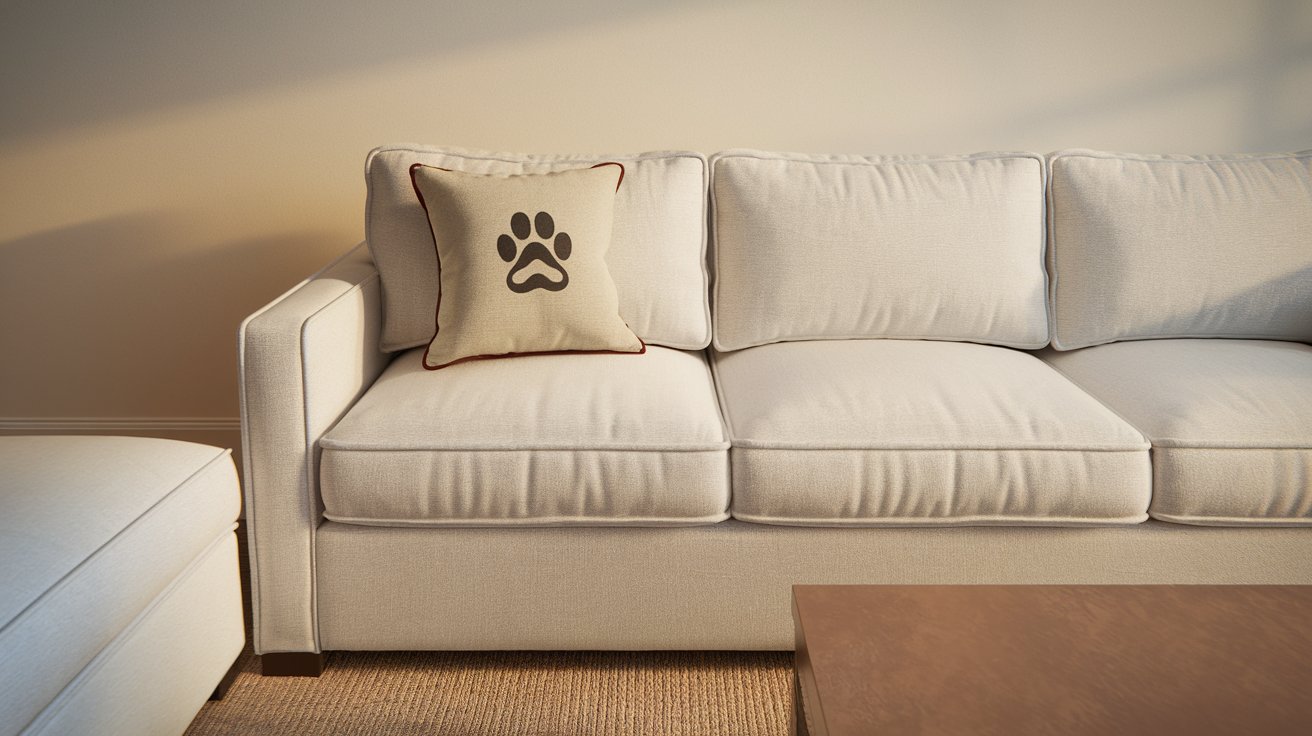
A back support cushion for sofa transforms your living room experience by providing essential lumbar support during extended sitting periods. These specialized cushions reduce back pain, improve posture, and enhance comfort while watching TV, reading, or working from your couch. The right support cushion maintains your spine’s natural curve and prevents slouching that leads to discomfort.
Why You Need a Back Support Cushion for Your Sofa
Modern sofas often lack adequate lumbar support, forcing your spine into unnatural positions during extended sitting. Without proper support, the natural S-curve of your spine flattens, causing muscle strain and potential long-term back problems. Studies from the American Physical Therapy Association show that 80% of Americans experience back pain, with poor seating posture being a primary contributing factor.
A quality back support cushion for sofa maintains your lower back’s natural curve, distributing weight evenly and reducing pressure points. This support prevents muscle fatigue and keeps your spine aligned whether you’re relaxing for thirty minutes or several hours. The investment in proper support pays dividends in improved comfort and reduced risk of chronic back issues.
Health Benefits of Proper Lumbar Support
Proper lumbar support reduces disc pressure by up to 40% compared to unsupported sitting positions. This significant reduction helps prevent disc degeneration and reduces the risk of herniated discs. Additionally, good support improves blood circulation in your lower extremities, preventing numbness and tingling that often accompanies poor posture during extended sitting sessions.
Common Problems with Standard Sofa Design
Most contemporary sofas prioritize aesthetics over ergonomics, featuring deep seats and soft cushions that encourage slouching. The average sofa seat depth of 22-24 inches forces shorter individuals to sit without back support, while the soft cushioning fails to provide adequate spinal alignment. These design flaws create a perfect storm for back discomfort and poor posture habits.
Types of Back Support Cushions for Sofas
The market offers several distinct types of back support cushions, each designed to address specific comfort needs and sofa configurations. Understanding these variations helps you select the most appropriate option for your living space and body type. Memory foam cushions provide personalized contouring, while firm support options offer maximum stability for those requiring substantial lumbar assistance.
Memory Foam Lumbar Cushions
Memory foam lumbar cushions conform to your body’s unique contours, providing personalized support that adapts to your sitting position. High-density memory foam maintains its shape over time while offering optimal pressure distribution. These cushions work particularly well for individuals who shift positions frequently during extended sitting periods, as the foam responds to movement and weight changes.
Firm Support Orthopedic Cushions
Orthopedic support cushions feature firm construction designed for maximum spinal alignment and posture correction. These cushions use high-density foam cores or specialized materials that resist compression, providing consistent support regardless of sitting duration. They’re ideal for individuals with chronic back pain or those recovering from back injuries who require unwavering lumbar support.
Wedge-Style Positioning Cushions
Wedge-style sofa cushions elevate your seating position and encourage proper posture by tilting your pelvis forward naturally. This design reduces strain on your lower back muscles and promotes the spine’s natural S-curve. These cushions work exceptionally well on deep sofas where standard lumbar pillows may not provide adequate positioning support.
Key Features to Consider When Buying
Selecting the ideal back support cushion for sofa requires evaluating multiple factors including material quality, size compatibility, and adjustability features. The cushion’s dimensions must complement your sofa’s proportions while providing appropriate support for your body type. Consider cushions with removable, washable covers for easy maintenance and long-term hygiene.
Durability indicators include high-quality stitching, premium materials, and manufacturer warranties of at least one year. Look for cushions with non-slip bottoms or attachment straps that prevent sliding during use. The best lumbar support cushions balance firmness with comfort, providing adequate support without creating pressure points or discomfort during extended use.
Material Quality and Construction
Premium back support cushions utilize certified foam materials that resist compression and maintain their supportive properties over years of use. Look for CertiPUR-US certified foams that are free from harmful chemicals and provide consistent performance. High-quality fabrics should be breathable, moisture-wicking, and resistant to wear from regular use and cleaning cycles.
Size and Compatibility Considerations
Measure your sofa’s depth and back height before selecting a support cushion to ensure proper fit and functionality. Standard lumbar cushions range from 12-16 inches in width and 10-14 inches in height. Consider your torso length and preferred sitting position when choosing cushion dimensions, as proper placement is crucial for effective support.
Best Materials for Long-Lasting Support
High-quality materials ensure your back support cushion maintains its therapeutic benefits throughout years of regular use. Memory foam density should range between 3-5 pounds per cubic foot for optimal support without excessive firmness. Natural latex offers excellent durability and breathability, while high-resilience polyurethane foam provides firm support at an affordable price point.
Cover materials significantly impact comfort and maintenance requirements. Bamboo fiber covers offer natural antimicrobial properties and temperature regulation, while polyester blends provide durability and easy care. Avoid vinyl or non-breathable materials that can cause discomfort during extended use, especially in warmer climates where breathable cushions prevent heat buildup and moisture accumulation.
Proper Positioning and Setup Tips
Correct placement of your lumbar support cushion is crucial for maximum benefit and comfort. Position the cushion to support your lower back’s natural curve, typically at the level of your belt line. The cushion should fill the gap between your lower back and the sofa, providing gentle forward pressure that maintains spinal alignment without forcing an unnatural arch.
Adjust your sitting position so your feet rest flat on the floor with knees bent at approximately 90 degrees. Your back support cushion for sofa should allow you to sit all the way back against it while maintaining contact with the sofa’s backrest. If you’re shorter than average, consider combining a lumbar cushion with a seat wedge to achieve optimal positioning and support.
Maintenance and Care Instructions
Proper maintenance extends your support cushion’s lifespan and maintains its hygiene and therapeutic benefits. Most quality cushions feature removable, machine-washable covers that should be cleaned monthly or as needed. Follow manufacturer specifications for water temperature and drying methods to prevent shrinkage or fabric damage that could affect cushion performance.
Rotate and flip your cushion regularly to ensure even wear distribution and prevent permanent indentations. Store back support cushions in dry, well-ventilated areas when not in use to prevent moisture buildup and potential mold growth. Inspect the cushion monthly for signs of wear, compression loss, or structural damage that might compromise its supportive properties.
Budget-Friendly vs Premium Options
Budget-friendly back support cushions typically range from $25-60 and offer basic lumbar support using standard foam construction. While these options provide immediate relief, they may compress more quickly and require replacement within 1-2 years. Mid-range options ($60-120) often feature memory foam construction and better materials that balance affordability with durability.
Premium lumbar support cushions ($120-250) incorporate advanced materials like gel-infused memory foam, natural latex, or specialized orthopedic designs. These investments typically last 5-7 years with proper care and offer superior comfort, temperature regulation, and therapeutic benefits. Consider your daily usage patterns and long-term comfort needs when evaluating the cost-benefit ratio of different price tiers.
Common Mistakes to Avoid
Many users position their back support cushion too high, supporting the middle back instead of the crucial lumbar region. This incorrect placement can actually increase discomfort and fail to address the root cause of poor sofa posture. The cushion should contact your back between the ribcage and pelvis, specifically supporting the lower back’s natural curve.
Avoid choosing cushions that are too soft or too firm for your specific needs and comfort preferences. A cushion that’s too soft won’t provide adequate support, while an overly firm option can create pressure points and discomfort. Test different firmness levels when possible, or choose adjustable support cushions that allow customization of support levels based on your daily comfort requirements and activities.
Related video about back support cushion for sofa
This video complements the article information with a practical visual demonstration.
Frequently Asked Questions
How do I know if I need a back support cushion for my sofa?
You likely need a back support cushion if you experience lower back pain, stiffness, or discomfort after sitting on your sofa for 30 minutes or more. Other indicators include slouching naturally into your sofa, feeling the need to constantly adjust your position, or experiencing fatigue in your back muscles during or after sitting. If your sofa has deep seats or very soft cushions, a lumbar support cushion can significantly improve your comfort and posture.
What size back support cushion should I choose for my sofa?
Choose a cushion that’s 12-16 inches wide and 10-14 inches tall for most standard sofas. The cushion should be wide enough to support your entire lower back area but not so large that it interferes with armrests or other seating positions. Measure your sofa’s seat depth and back height, then select a cushion that allows you to sit back comfortably while maintaining proper lumbar contact.
Can a back support cushion help with chronic back pain?
Yes, a properly positioned back support cushion can help alleviate chronic back pain by maintaining proper spinal alignment and reducing muscle strain. However, it’s important to choose a cushion with appropriate firmness for your condition and consult with healthcare providers for chronic pain management. Orthopedic-grade cushions with firm support are typically recommended for individuals with ongoing back issues.
How often should I replace my sofa back support cushion?
Replace your back support cushion every 2-3 years for basic foam models, or every 5-7 years for premium memory foam or latex options. Signs that replacement is needed include visible compression that doesn’t recover, loss of support effectiveness, or deterioration of the cover material. Regular rotation and proper care can extend the lifespan of quality cushions significantly.
Are memory foam back support cushions better than regular foam?
Memory foam back support cushions generally provide superior comfort and support compared to regular foam options. Memory foam contours to your body shape, providing personalized support and better pressure distribution. However, high-quality regular foam cushions can be effective for individuals who prefer firmer, more consistent support. The choice depends on your comfort preferences and specific support needs.
Can I use a back support cushion on any type of sofa?
Back support cushions work on most sofa types, but effectiveness varies based on sofa design. They work best on sofas with firm backrests and appropriate seat depth. Very deep sofas may require additional seat cushions for optimal positioning, while recliners or sofas with adjustable backs may not accommodate standard lumbar cushions effectively. Consider your sofa’s specific dimensions and features when selecting a support cushion.
| Cushion Type | Best For | Price Range | Expected Lifespan |
|---|---|---|---|
| Memory Foam | Customized support and comfort | $60-$150 | 3-5 years |
| Orthopedic Firm | Chronic back pain relief | $80-$200 | 5-7 years |
| Budget Foam | Basic lumbar support | $25-$60 | 1-2 years |
| Wedge Style | Deep sofas and posture correction | $40-$100 | 3-4 years |