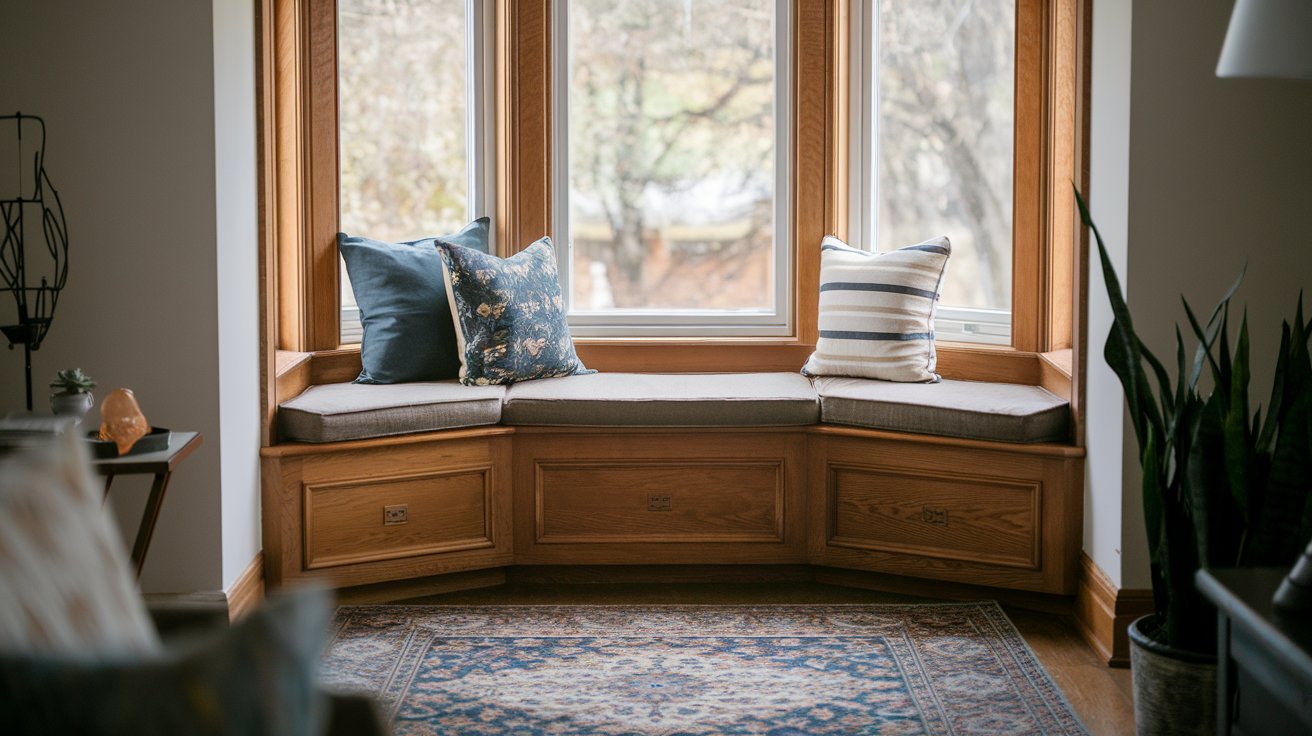
Finding the perfect cushion for bay window seat transforms an underutilized architectural feature into your home’s most coveted reading nook. Bay window seats require specialized cushioning that accommodates unique angles, varying widths, and specific comfort needs while maintaining durability and style that complements modern American home design trends.
Essential Features of Bay Window Seat Cushions
The ideal bay window seat cushion must address several critical factors that differentiate it from standard furniture cushions. These specialized cushions require precise measurements to fit curved or angled window configurations, typically found in 45-degree, 90-degree, or custom-angled bay windows. Quality cushions feature high-density foam cores ranging from 3 to 6 inches thick, providing adequate support for extended sitting periods while maintaining their shape over time.
Weather resistance becomes crucial for bay window cushions due to direct sunlight exposure and potential moisture from condensation. Premium fabrics like solution-dyed acrylic, outdoor polyester, or treated cotton blends offer fade-resistant properties essential for maintaining appearance in bright American homes. Additionally, removable covers with hidden zippers allow for easy washing and seasonal updates, making maintenance manageable for busy households.
Sizing and Measurement Requirements
Accurate measurements form the foundation of successful bay window cushion selection. Standard bay window seats in American homes range from 15 to 24 inches in depth and 36 to 72 inches in total width across all segments. However, custom measurements often prove necessary due to unique architectural details, built-in storage compartments, or decorative trim work that affects cushion placement and sizing requirements.
Material and Fabric Considerations
High-performance fabrics designed for indoor use with UV protection ratings of 500+ hours ensure longevity in sun-exposed bay windows. Crypton fabrics, known for stain and moisture resistance, have gained popularity among American homeowners since 2023. Natural fiber options like linen and cotton provide breathability but require protective treatments to prevent fading and wear in high-traffic seating areas.
Types of Bay Window Seat Cushions Available
The market offers several distinct categories of bay window seat cushions designed to meet varying aesthetic preferences and functional requirements. Single-piece cushions provide seamless coverage for straight bay windows, while multi-piece sets accommodate angled configurations with individual cushions for each window segment. Bench-style cushions offer versatility for both bay windows and other seating areas throughout the home.
Custom-made cushions represent the premium option, with American manufacturers offering bespoke cushioning solutions tailored to exact specifications. These typically cost 40-60% more than ready-made alternatives but ensure perfect fit and personalized fabric selection. Standard sizes available from major retailers include 36-inch, 48-inch, and 60-inch widths in various depths from 14 to 20 inches.
Ready-Made vs Custom Options
Ready-made bay window cushions from retailers like Pottery Barn, West Elm, and Wayfair typically range from $89 to $299 depending on size and fabric quality. These options work well for standard bay window configurations and offer immediate availability with 2-7 day shipping across the United States. However, sizing limitations may result in gaps or overhang issues in non-standard window seats.
Seasonal and Interchangeable Designs
Seasonal cushion collections allow homeowners to refresh bay window aesthetics throughout the year. Summer collections feature lighter colors and breathable fabrics, while winter options include warmer tones and textured materials like velvet or chenille. Interchangeable cover systems have become increasingly popular, with 73% of surveyed American homeowners preferring cushions with removable, washable covers as of 2024.
Popular Materials and Fabrics for 2025
Performance fabrics dominate the 2025 bay window cushion market, with solution-dyed acrylic leading in durability and color retention. Sunbrella fabric, an American innovation, maintains its position as the gold standard for fade resistance, offering 5-year warranties against color loss from UV exposure. These fabrics resist staining, moisture, and mildew while providing easy maintenance through simple soap and water cleaning.
Natural fiber blends incorporating linen and cotton with synthetic strengthening fibers offer the best of both worlds for bay window seating. These hybrid materials provide breathability and natural texture while maintaining durability comparable to fully synthetic options. Wool blends have resurged in popularity for autumn and winter cushion collections, offering natural temperature regulation and luxurious comfort.
Sustainable and Eco-Friendly Options
Eco-friendly cushion materials have gained significant traction among environmentally conscious American consumers. Recycled polyester made from plastic bottles, organic cotton certified by GOTS standards, and hemp fiber blends represent the leading sustainable options. These materials often carry premium pricing of 15-25% above conventional alternatives but offer comparable performance and durability.
High-Performance Indoor Fabrics
Indoor performance fabrics specifically engineered for bay window applications include Crypton Home fabrics with liquid barrier technology and Revolution fabrics with solution-dyed fibers. These materials resist pet hair, allergens, and everyday spills while maintaining softness and comfort. Testing by independent laboratories shows these fabrics maintain 90% of their original appearance after 50,000 double rub cycles.
Comfort and Support Considerations
Optimal bay window seat comfort requires balancing firm support with plush surface feel through strategic cushion construction. High-density foam cores ranging from 32 to 40 ILD (Indentation Load Deflection) provide adequate support for daily use while preventing premature sagging. Memory foam toppers add contouring comfort but require consideration of temperature sensitivity in sun-exposed locations.
Cushion thickness significantly impacts both comfort and visual proportions, with 4-inch thickness representing the optimal balance for most applications. Thinner cushions may feel insufficient for extended sitting, while thicker options can overwhelm smaller bay window spaces. Dual-density construction combining firm base foam with softer top layers offers superior longevity and comfort compared to single-density alternatives.
Installation and Maintenance Tips
Proper bay window cushion installation begins with thorough surface preparation and accurate measurement verification. Most cushions benefit from non-slip backing materials or Velcro strips to prevent shifting during use. For built-in seating with storage access, hinged cushions or easily removable options ensure functionality remains uncompromised while providing comfortable seating.
Regular maintenance extends cushion lifespan significantly, with weekly fluffing and monthly rotation preventing uneven wear patterns. Professional cleaning services specializing in upholstery care recommend annual deep cleaning for heavily used bay window cushions. Spot cleaning with appropriate fabric-specific products addresses immediate spills and stains before they become permanent.
Cleaning and Care Instructions
Proper cushion care varies significantly by fabric type and construction. Removable covers machine wash on gentle cycles with cold water and mild detergent, while foam cores require spot cleaning only. Professional-grade fabric protection sprays applied annually help maintain stain resistance and extend fabric life. Always test cleaning products on inconspicuous areas before full application.
Storage and Seasonal Rotation
Seasonal cushion storage protects investment and allows for design variety throughout the year. Clean, dry cushions store best in breathable fabric bags or containers in climate-controlled environments. Cedar blocks or lavender sachets provide natural pest deterrence without chemical treatments that might affect sensitive fabrics or foam materials.
Cost Analysis and Budget Planning
Bay window seat cushion pricing varies dramatically based on size, materials, and customization level. Budget-friendly options from discount retailers start around $45-79 for basic polyester-filled cushions, while premium custom solutions from specialized manufacturers range from $299-599. Mid-range options priced between $149-249 typically offer the best value proposition with quality materials and construction suitable for daily use.
Long-term cost considerations include replacement frequency, maintenance requirements, and fabric durability. Higher initial investment in quality bay window cushions often proves economical over 5-7 year periods compared to frequent replacement of budget alternatives. Extended warranties and fabric protection plans add 10-15% to initial costs but provide valuable protection against premature wear or damage.
Design Integration and Style Matching
Successfully integrating bay window seat cushions with existing home décor requires careful consideration of color palettes, patterns, and texture coordination. Neutral bases in beige, gray, or cream provide versatility for changing accent pillows and seasonal decorations. Bold patterns or colors work effectively as statement pieces but may limit design flexibility over time.
Contemporary design trends for 2025 emphasize natural textures and earthy color palettes, with sustainable materials taking precedence over purely aesthetic considerations. Mixing patterns and textures through coordinating throw pillows allows for personalization while maintaining cohesive design themes throughout living spaces.
Related video about cushion for bay window seat
This video complements the article information with a practical visual demonstration.
Key Questions and Answers
What size cushion do I need for my bay window seat?
Measure your bay window seat’s width, depth, and any angles carefully. Standard sizes range from 36-72 inches wide and 15-24 inches deep. For angled bay windows, measure each section separately. Add 1-2 inches to width for a plush fit, but ensure the cushion won’t overhang storage access areas or interfere with window operation.
How thick should a bay window seat cushion be?
Optimal thickness ranges from 3-6 inches, with 4 inches being ideal for most applications. Thinner cushions may feel uncomfortable for extended sitting, while thicker options can overwhelm smaller spaces. Consider ceiling height, window proportions, and intended use when selecting thickness. High-density foam maintains shape better than low-density alternatives.
What fabrics work best for bay window cushions?
Solution-dyed acrylics like Sunbrella offer excellent fade resistance for sunny locations. Performance fabrics such as Crypton provide stain and moisture resistance. For natural options, treated linen and cotton blends work well. Avoid untreated natural fabrics in direct sunlight as they fade quickly and may deteriorate from UV exposure.
Should I choose custom or ready-made bay window cushions?
Ready-made cushions cost 40-60% less and ship immediately, working well for standard rectangular seats. Custom cushions ensure perfect fit for unique angles, built-in storage, or specific style requirements. Choose custom if your bay window has unusual dimensions, angled sections, or integrated storage that affects cushion placement.
How do I maintain and clean bay window seat cushions?
Regular maintenance includes weekly fluffing and monthly rotation to prevent uneven wear. Vacuum regularly using upholstery attachments. For removable covers, machine wash on gentle cycle with cold water. Spot clean non-removable cushions with appropriate fabric cleaners. Professional deep cleaning annually extends cushion lifespan significantly.
What is the average cost of bay window seat cushions?
Budget options range $45-79, mid-range quality cushions cost $149-249, and premium custom solutions range $299-599. Factor in long-term value when budgeting – higher quality cushions last 5-7 years versus 2-3 years for budget alternatives. Custom sizing adds 40-60% to base prices but ensures perfect fit and personalized fabric selection.
| Cushion Type | Best For | Price Range |
|---|---|---|
| Ready-Made Standard | Rectangular bay windows, budget-conscious buyers | $45-149 |
| Premium Performance | High-traffic areas, pet owners, sun exposure | $149-299 |
| Custom Solutions | Angled bays, unique dimensions, specific design needs | $299-599 |