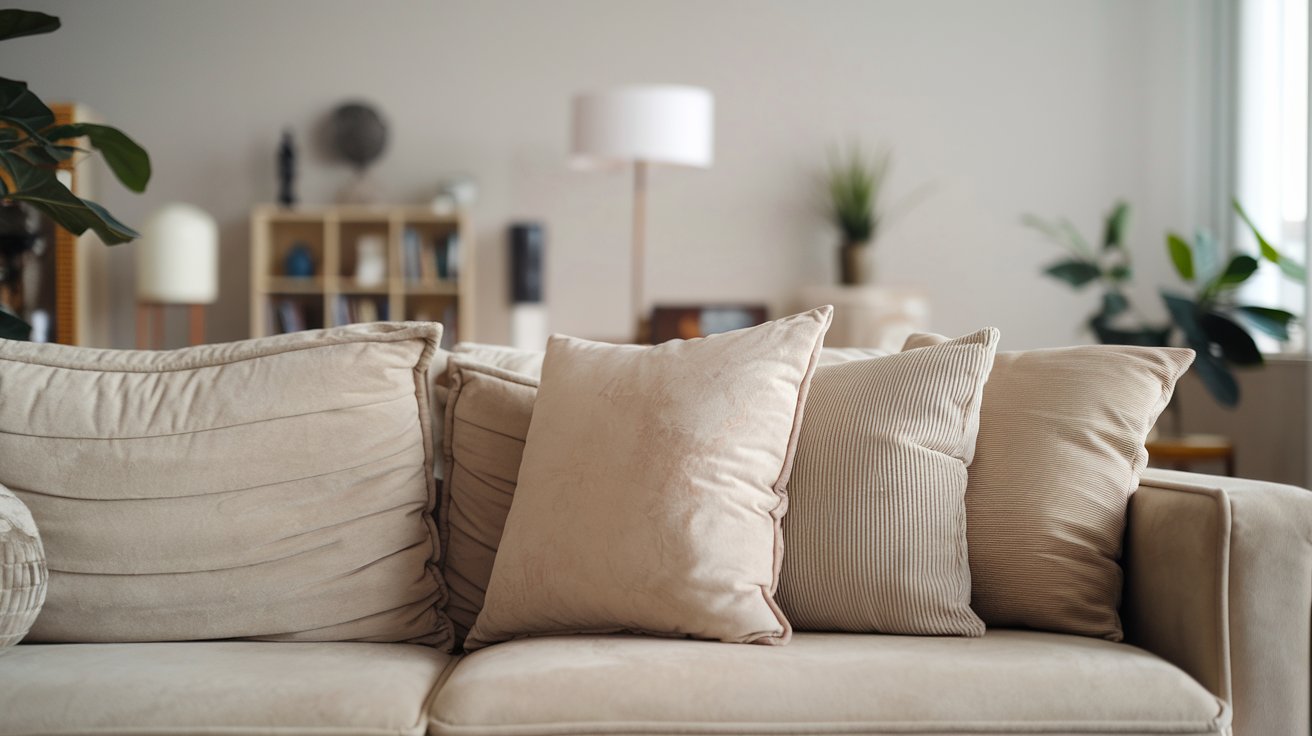
Piping on a cushion is a decorative and functional trim that consists of a cord wrapped in fabric, sewn along the edges or seams of cushion covers. This upholstery technique creates a professional finished appearance while reinforcing seam strength and adding visual definition to furniture pieces throughout American homes.
Understanding Cushion Piping Basics
Cushion piping serves both aesthetic and structural purposes in furniture design. The technique involves inserting a cord covered with matching or contrasting fabric into the seam line during construction. This creates a raised, rounded edge that defines the cushion’s shape and prevents fabric from stretching at stress points. Professional upholsterers in the United States commonly use piping on throw pillows, sofa cushions, chair seats, and outdoor furniture to achieve a polished, tailored look.
The piping cord itself is typically made from cotton or polyester and comes in various thicknesses, with sizes ranging from 1/8 inch to 1/2 inch diameter. The fabric covering, called bias tape or piping fabric, is cut on the bias grain to allow flexibility around curves and corners. This construction method has been a standard practice in American furniture manufacturing since the early 20th century.
Types of Cushion Piping
Several distinct piping styles are available for cushion construction, each offering unique visual and functional benefits. Understanding these variations helps homeowners and decorators select the most appropriate option for their specific furniture pieces and design preferences.
Welted Piping
Welted piping represents the most traditional and widely used type in American furniture. This style features a fabric-covered cord sewn directly into the seam, creating a smooth, continuous line along cushion edges. Welted piping typically uses matching fabric for a subtle effect or contrasting colors for bold visual impact. Manufacturing data from 2024 shows that approximately 75% of custom cushions produced in the United States incorporate welted piping.
Flat Piping
Flat piping eliminates the cord element while maintaining the visual definition of traditional piping. This technique involves sewing a folded strip of fabric into the seam line, resulting in a flatter profile that works particularly well on contemporary furniture styles. Flat piping offers easier maintenance and washing compared to corded versions, making it popular for casual living spaces and children’s furniture throughout American homes.
Benefits of Piped Cushions
Piped cushions offer numerous advantages that explain their continued popularity in American interior design. The primary benefit involves enhanced durability, as piping reinforces seam areas that experience the most stress during regular use. This reinforcement significantly extends cushion lifespan, with properly piped cushions lasting 40-60% longer than unpiped alternatives according to 2024 furniture industry studies.
From an aesthetic standpoint, cushion piping creates clean, defined lines that elevate the overall appearance of furniture pieces. The technique helps maintain cushion shape over time, preventing fabric from sagging or becoming misshapen around edges. Additionally, piping allows for creative design expression through color coordination or contrast, enabling homeowners to customize their furniture to match specific decorating schemes.
Materials Used in Piping Construction
The selection of appropriate materials directly impacts the quality and longevity of cushion piping. Professional upholsterers recommend specific material combinations based on intended use, fabric type, and environmental conditions.
Piping Cord Options
Cotton piping cord remains the industry standard for indoor furniture applications due to its stability and compatibility with most fabric types. Polyester cord offers superior moisture resistance, making it ideal for outdoor cushions and marine applications. Premium options include silk-wrapped cords for luxury furniture and synthetic alternatives that provide enhanced washability for family-friendly pieces.
Fabric Covering Choices
The piping fabric covering requires careful consideration of weight, weave, and compatibility with the main cushion material. Bias-cut fabric strips provide optimal flexibility and smooth application around curves. Popular choices include cotton twill, polyester blends, and specialty upholstery fabrics that match the cushion’s primary material. Current trends in 2025 favor sustainable fabric options, with recycled polyester and organic cotton gaining market share in American furniture manufacturing.
Installation Process and Techniques
Professional piping installation requires precise measurement, cutting, and sewing techniques to achieve optimal results. The process begins with cutting bias strips of fabric at a 45-degree angle to the grain, ensuring flexibility around curves and corners. These strips are then wrapped around the piping cord and secured with a specialized piping foot on industrial sewing machines.
The completed piping trim is carefully positioned along cushion panel edges before final assembly. Proper alignment ensures consistent seam allowances and prevents puckering or bunching during construction. Quality control measures in American manufacturing facilities include tension testing and visual inspection to maintain consistent piping placement throughout production runs.
Maintenance and Care Guidelines
Proper maintenance extends the life and appearance of piped cushions significantly. Regular vacuuming with upholstery attachments prevents dirt accumulation in piping crevices, while prompt treatment of spills prevents permanent staining. For washable cushion covers, gentle machine washing in cool water helps preserve piping integrity.
Professional cleaning recommendations suggest annual deep cleaning for heavily used furniture pieces. Steam cleaning effectively removes embedded dirt without damaging piping construction, while avoiding harsh chemicals that could weaken cord materials or fade fabric colors. Proper storage during off-seasons, particularly for outdoor cushions, protects piping from UV degradation and moisture damage.
Design Applications and Style Considerations
Piping design choices significantly impact the overall aesthetic of furniture pieces and room environments. Traditional décor styles typically feature matching piping that blends seamlessly with cushion fabric, creating understated elegance. Contemporary and modern styles often embrace contrasting piping colors that add visual interest and define furniture silhouettes.
Color Coordination Strategies
Effective piping color selection requires understanding color theory principles and existing room palettes. Monochromatic schemes use varying shades of the same color family for subtle sophistication, while complementary color combinations create bold visual statements. Current design trends in 2025 favor earth tones and natural colors, with sage green, terracotta, and warm gray piping gaining popularity in American homes.
Pattern and Texture Combinations
Mixing patterns and textures through piping applications adds depth and visual interest to cushion designs. Solid piping on patterned cushions provides visual rest and prevents overwhelming busy designs. Conversely, patterned piping on solid fabrics introduces subtle detail without dominating the overall aesthetic. Texture variations, such as smooth piping on textured fabrics or vice versa, create tactile and visual contrast that enhances furniture appeal.
Cost Factors and Budget Considerations
The cost of adding piping to cushions varies significantly based on materials, complexity, and production methods. Basic cotton piping adds approximately 15-25% to cushion manufacturing costs, while premium materials and custom colors can increase expenses by 40-60%. Labor costs for hand-sewn piping in small upholstery shops average $12-18 per linear foot in 2025, making it a significant factor in custom furniture pricing.
DIY piping projects can reduce costs substantially, with materials typically costing $3-8 per cushion depending on fabric choices and cord quality. However, professional installation ensures optimal results and longevity, particularly for high-use furniture pieces. Many American furniture retailers offer piping as an optional upgrade, allowing consumers to balance budget constraints with desired aesthetic outcomes.
Common Problems and Solutions
Several issues can arise with cushion piping over time, requiring targeted solutions to maintain appearance and functionality. Cord shrinkage during washing can cause puckering and distortion, while inadequate seam allowances may result in visible stitching lines or pulling at corners.
Prevention strategies include pre-shrinking all materials before assembly and maintaining consistent seam allowances throughout construction. When problems occur, professional repair services can often restore piping appearance without complete cushion replacement. Common repairs include re-stitching loose piping sections, replacing damaged cord segments, and adjusting tension to eliminate puckering.
Related video about what is piping on a cushion
This video complements the article information with a practical visual demonstration.
What you should know
How long does piping typically last on cushions?
Well-constructed piping on quality cushions typically lasts 5-10 years with regular use, depending on fabric type, cord quality, and maintenance practices. Premium materials and professional installation can extend lifespan to 12-15 years, while basic piping may require replacement or repair after 3-5 years of heavy use.
Can I add piping to existing cushions without piping?
Adding piping to existing plain cushions requires complete disassembly and reconstruction of the cushion cover. This process involves removing current seams, creating new piping, and reassembling with piped edges. While possible, the cost often approaches that of new cushion construction, making replacement more economical in many cases.
What size piping cord works best for different cushion types?
Standard throw pillows typically use 1/4 inch piping cord for proportional appearance, while larger sofa cushions benefit from 3/8 to 1/2 inch cord for proper visual weight. Outdoor cushions often require thicker cord (1/2 inch) for durability and weather resistance, while delicate fabrics work best with thinner 1/8 inch cord to prevent distortion.
Is piping necessary for outdoor cushions?
While not absolutely necessary, piping significantly improves outdoor cushion durability and appearance. The reinforcement helps prevent seam failure from UV exposure and weather stress, while proper drainage around piped edges reduces moisture retention. Marine-grade piping materials provide optimal protection for poolside and coastal applications.
How much does professional piping installation cost?
Professional piping installation in the United States ranges from $12-25 per linear foot in 2025, depending on location, materials, and complexity. A standard throw pillow requires approximately 4-6 feet of piping, resulting in costs of $48-150 per cushion. Bulk orders and simpler designs typically qualify for reduced per-unit pricing.
What fabrics work best for piping applications?
Bias-cut cotton and polyester blends provide optimal flexibility and durability for most piping applications. Fabrics should match or exceed the weight of the main cushion material while offering good dimensional stability. Avoid stretchy or loosely woven fabrics that may distort during construction or use, and ensure adequate color-fastness for washing requirements.
| Piping Aspect | Key Details | Primary Benefit |
|---|---|---|
| Structural Function | Reinforces seams and stress points | 40-60% longer cushion lifespan |
| Aesthetic Enhancement | Creates defined edges and professional finish | Elevated furniture appearance |
| Material Options | Cotton, polyester, and specialty cords available | Customizable for specific applications |
| Cost Investment | Adds 15-60% to cushion manufacturing cost | Superior durability and visual appeal |