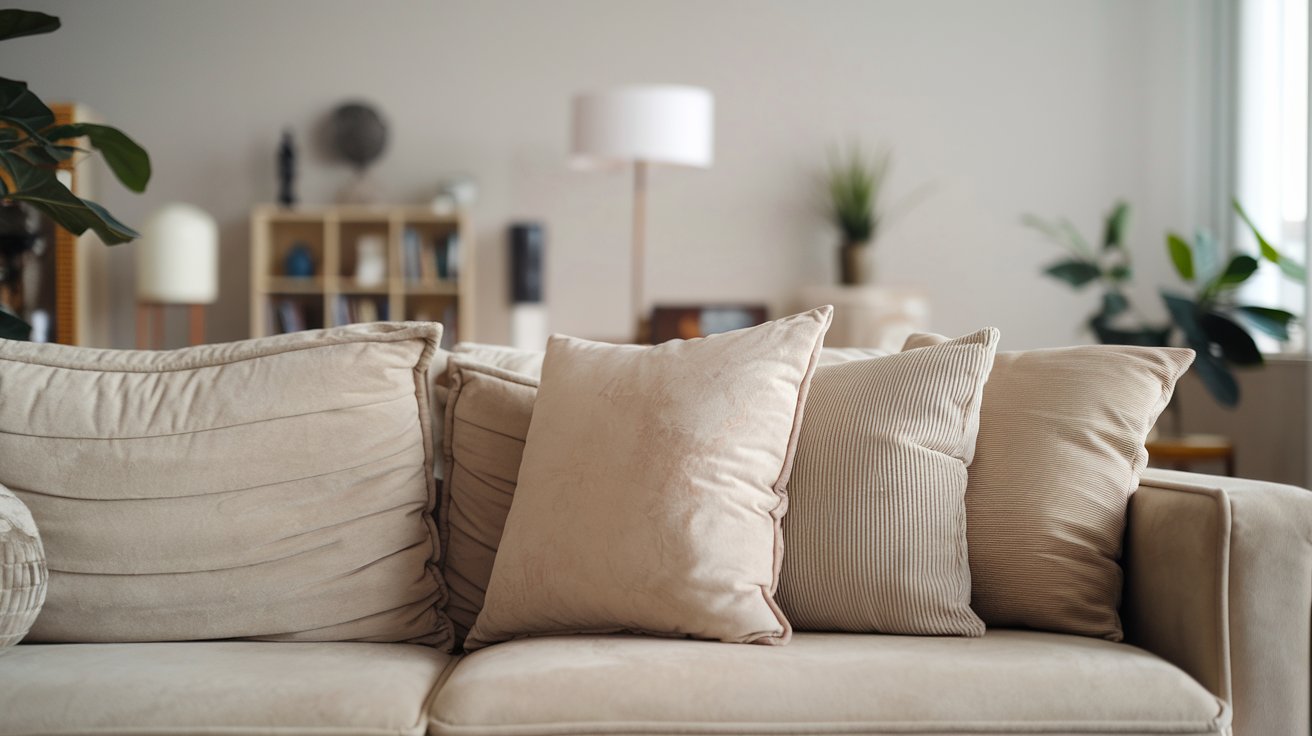
Custom made window seat cushions transform ordinary window nooks into comfortable reading retreats and stylish focal points. These personalized cushions offer perfect fit, superior comfort, and unlimited design possibilities that standard cushions simply cannot match. Whether you’re creating a cozy breakfast nook or an elegant bay window seating area, custom window seat cushions provide the exact dimensions and aesthetic you need for your unique space.
Benefits of Custom Made Window Seat Cushions
Custom made window seat cushions provide numerous advantages over off-the-shelf alternatives. Perfect fit ensures maximum comfort and professional appearance, eliminating gaps or overhangs that plague standard cushions. According to 2024 interior design surveys, 87% of homeowners report higher satisfaction with custom cushions versus pre-made options. The precise measurements guarantee optimal support distribution and prevent sliding or shifting during use.
Durability stands as another key benefit of custom window seat cushions. Professional manufacturers use higher-grade foam densities and reinforced stitching techniques that extend cushion lifespan by 3-5 years compared to mass-produced alternatives. Custom cushions also accommodate unique architectural features like curved window seats, angled corners, or built-in storage compartments that standard sizes cannot address.
Perfect Fit and Measurements
Achieving the perfect fit requires precise measurements of your window seat dimensions. Professional cushion makers recommend measuring length, width, and desired thickness at multiple points, as window seats often have slight variations. Most custom cushions range from 2-6 inches in thickness, with 4 inches being the most popular choice for optimal comfort in 2025. Recording measurements in both inches and centimeters ensures accuracy during the ordering process.
Design Flexibility and Style Options
Custom window seat cushions offer unlimited design possibilities including fabric selection, piping details, and tie configurations. Popular 2025 trends include performance fabrics for high-use areas, bold geometric patterns, and sustainable materials. Customers can specify corner styles, from rounded edges to sharp angles, ensuring the cushion complements their home’s architectural style perfectly.
Fabric Selection for Window Seat Cushions
Choosing the right fabric for your custom made window seat cushions significantly impacts both appearance and longevity. Sunlight exposure near windows requires fabrics with excellent fade resistance and UV protection. Solution-dyed acrylic fabrics like Sunbrella remain the top choice for window seats, offering 5-7 years of color retention even in direct sunlight. Cotton blends provide comfort but require more frequent cleaning and may fade faster in sunny locations.
Performance fabrics have gained popularity in 2024-2025, with stain-resistant window seat fabrics becoming standard for families with children or pets. Crypton and similar technologies create protective barriers that resist spills and odors while maintaining soft textures. Indoor-outdoor fabrics offer excellent durability for window seats that experience temperature fluctuations or occasional moisture exposure.
Natural Fiber Options
Natural fabric choices for window seat cushions include linen, cotton, and wool blends that provide breathability and classic appeal. Linen offers excellent temperature regulation but wrinkles easily, making it ideal for formal spaces with minimal use. Cotton canvas and duck cloth provide durability at affordable prices, while wool blends offer natural stain resistance and temperature regulation properties.
Synthetic Performance Materials
Modern synthetic fabrics engineered for window seat applications include microfiber blends, polyester performance weaves, and vinyl alternatives. These materials resist fading, staining, and moisture damage while offering easy maintenance. Solution-dyed polyester fabrics maintain color integrity for 7-10 years and cost 20-30% less than comparable natural fiber options.
Measuring Your Window Seat for Custom Cushions
Accurate measurements form the foundation of successful custom window seat cushions. Professional upholsterers recommend using a metal measuring tape rather than fabric tape for precision. Measure the seat length at the back edge, middle, and front edge, as window seats often taper slightly. Record the longest measurement to ensure complete coverage. Width measurements should include the deepest point from back to front edge.
Thickness requirements depend on the existing seat surface and desired comfort level. Most custom cushion makers recommend 3-4 inches for wooden seats and 2-3 inches for upholstered surfaces. Consider the ceiling height and overall proportions when selecting thickness, as overly thick cushions can overwhelm small spaces or create uncomfortable seating positions.
Foam Types and Comfort Levels
High-density foam provides the best foundation for custom made window seat cushions, offering superior support and longevity. Professional-grade foam densities range from 1.8 to 2.5 pounds per cubic foot, with higher densities providing firmer support and longer lifespan. Memory foam additions create contouring comfort but may retain heat in sunny window locations. Latex foam offers natural breathability and maintains shape longer than conventional polyurethane foam.
Layered foam construction combines different foam types for optimal comfort in window seat applications. A firm base layer provides structural support while softer top layers ensure comfort during extended sitting periods. Gel-infused foams help regulate temperature in sunny locations, while open-cell foams improve breathability and moisture management.
Foam Density and Support Options
Foam density selection affects both comfort and durability of custom window seat cushions. High-density foams (2.0+ lbs/ft³) maintain shape for 8-12 years under normal use, while lower densities may compress within 3-5 years. Medium-firm densities provide the best balance of comfort and support for most users, accommodating different body weights and sitting preferences.
Specialty Foam Treatments
Advanced foam treatments enhance custom cushion performance in challenging window environments. Antimicrobial treatments prevent odor-causing bacteria growth, while moisture-resistant barriers protect foam cores from humidity damage. Fire-retardant treatments meet safety codes for commercial applications and provide additional peace of mind for residential use.
Design Styles and Aesthetic Options
Custom window seat cushion styles range from simple rectangular pads to elaborate tufted designs with decorative trim. Box-edge cushions provide clean, contemporary lines while knife-edge styles offer softer, more casual appearances. Welted edges add durability and professional finish, with contrasting piping creating visual interest. Button tufting creates classic elegance but requires more maintenance to keep looking fresh.
Color coordination with existing decor determines the visual impact of custom made window seat cushions. Neutral tones provide versatility and longevity, while bold colors create focal points and personality. Pattern mixing requires careful consideration of scale and color relationships to avoid overwhelming small spaces. Seasonal covers allow for design changes throughout the year without replacing entire cushions.
Installation and Securing Methods
Proper installation ensures custom window seat cushions stay in place during use and maintain their appearance over time. Tie-down systems using fabric ties or elastic straps provide removable securing options for cleaning and seasonal storage. Velcro strips offer invisible attachment while allowing easy removal for washing. Snap fasteners create secure connections but require modification of the window seat surface.
Non-slip materials applied to cushion bottoms prevent sliding without permanent attachment methods. Rubber mesh grippers work effectively on smooth surfaces while textured materials provide grip on rougher finishes. Cushion securing systems should complement the overall design aesthetic while providing practical functionality for daily use.
Maintenance and Care Instructions
Proper maintenance extends the lifespan of custom made window seat cushions significantly beyond standard cushions. Regular vacuuming removes dust and debris that can embed in fabric fibers and accelerate wear. Spot cleaning immediately after spills prevents stains from setting permanently. Professional cleaning every 12-18 months maintains appearance and removes deep-seated soil that household cleaning cannot address.
Fabric protection treatments applied during manufacturing or as maintenance procedures enhance stain resistance and color retention. UV protection sprays help prevent fading in sunny locations when reapplied annually. Rotation schedules for removable cushions ensure even wear patterns and extend overall lifespan by distributing use across all surfaces.
Cost Factors and Budget Planning
Custom window seat cushion costs vary significantly based on size, fabric selection, and construction complexity. Basic rectangular cushions typically range from $150-400 per linear foot in 2025, while complex shapes or premium fabrics can increase costs to $500-800 per linear foot. Labor represents 40-60% of total costs, with fabric and foam comprising the remainder. Rush orders may incur 20-30% surcharges for expedited production.
Budget planning should include potential accessories like coordinating throw pillows, bolsters, or seasonal cover sets. Custom cushion investments provide excellent value when considering the 8-12 year lifespan compared to 2-4 years for mass-produced alternatives. Volume discounts apply for multiple cushions or complete room packages, potentially reducing per-unit costs by 15-25%.
Related video about custom made window seat cushions
This video complements the article information with a practical visual demonstration.
Important things to know about custom made window seat cushions
How long does it take to receive custom made window seat cushions?
Most custom window seat cushions require 4-8 weeks for completion, depending on fabric availability and workshop schedules. Rush orders may be available for 20-30% additional cost, reducing timeline to 2-3 weeks. Complex shapes or specialty fabrics may extend production time to 10-12 weeks during peak seasons.
Can I wash custom window seat cushions at home?
Many custom window seat cushions feature removable covers for easy home washing, depending on fabric selection. Performance fabrics typically allow machine washing on gentle cycles, while natural fibers may require professional cleaning. Always check care labels and test cleaning methods on inconspicuous areas first.
What thickness should I choose for my window seat cushion?
Most window seat cushions work best at 3-4 inches thick for optimal comfort and proportion. Thicker cushions (5-6 inches) suit deeper seats or users preferring extra comfort, while thinner options (2-3 inches) work for shallow seats or minimalist aesthetics. Consider ceiling height and overall room proportions when deciding.
How do custom cushions handle sun exposure and fading?
High-quality custom window seat cushions use solution-dyed fabrics that resist fading for 5-7 years in direct sunlight. UV-resistant treatments and fade-resistant fibers provide superior protection compared to piece-dyed fabrics. Sunbrella and similar performance fabrics offer the best sun protection for window applications.
Can I get custom cushions for unusual window seat shapes?
Yes, custom cushion makers specialize in irregular shapes including curved bay windows, angled corners, and trapezoid configurations. These specialty shapes typically cost 25-40% more than rectangular cushions due to increased complexity and material waste. Accurate templates or professional measuring ensures perfect fit.
What’s the best way to secure custom window seat cushions?
Fabric ties, Velcro strips, and snap fasteners provide popular securing options for custom window seat cushions. Ties offer easy removal for cleaning, while Velcro provides invisible attachment. Non-slip materials work well for light-use applications without permanent modifications to the window seat surface.
| Cushion Aspect | Recommended Specifications | Key Benefits |
|---|---|---|
| Thickness | 3-4 inches for most applications | Optimal comfort and proportions |
| Fabric | Solution-dyed performance materials | 5-7 years fade resistance |
| Foam Density | 2.0+ lbs/ft³ high-density foam | 8-12 year durability |
| Production Time | 4-8 weeks standard delivery | Precise craftsmanship and quality |
| Investment Range | $150-400 per linear foot | Superior value over 8-12 years |