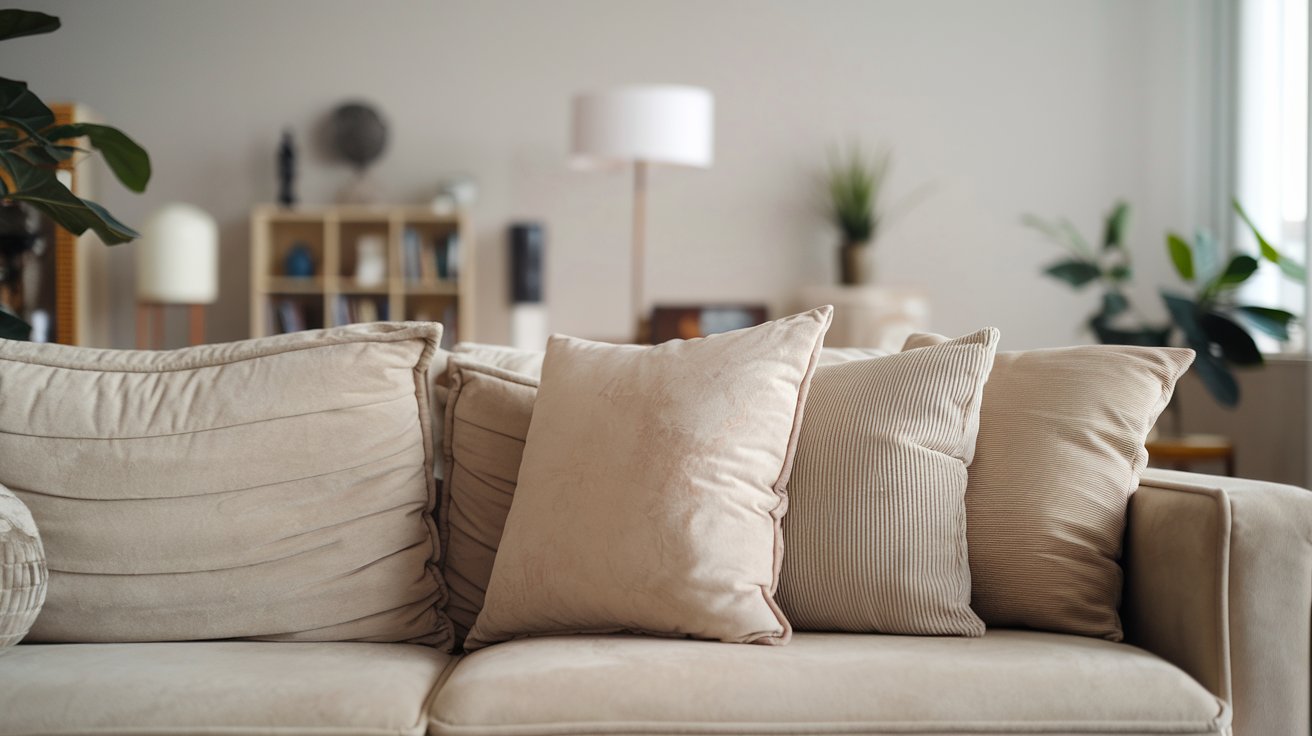
Transform your bay window into a comfortable seating area with perfectly fitted custom cushions. Bay window seats require precise measurements and thoughtful fabric selection to create both beauty and functionality. This comprehensive guide covers everything from measuring your space to selecting the ideal materials for custom cushions for bay window seat projects in 2025.
Benefits of Custom Bay Window Seat Cushions
Custom cushions offer numerous advantages over standard store-bought options for bay window seating. The primary benefit is achieving a perfect fit that accommodates the unique angles and dimensions of your bay window. Unlike generic cushions, custom options ensure complete coverage without gaps or overhang issues.
Professional custom cushions for bay window seat applications also provide superior comfort through tailored thickness and firmness levels. In 2025, homeowners increasingly prioritize ergonomic seating that supports proper posture during extended reading or relaxation sessions. Additionally, custom cushions allow for coordinated design elements that seamlessly integrate with your existing home decor and color schemes.
Measuring Your Bay Window Seat for Custom Cushions
Accurate measurements form the foundation of successful custom cushion design for bay windows. Begin by measuring the length, width, and depth of each section of your bay window seat. Most bay windows feature three sections: a central section and two angled side sections that typically measure between 24 to 48 inches each.
Record the angle measurements where each section connects, as these angles typically range from 135 to 150 degrees depending on your window configuration. Document any irregularities in the seat surface, including slight variations in depth or height. Professional upholsterers recommend adding a measurement tolerance of 1/8 inch to ensure proper fit while avoiding overly tight cushions that may be difficult to position.
Tools Needed for Accurate Measurements
Essential measurement tools include a quality tape measure, carpenter’s square, and angle finder for precise corner measurements. Use a level to identify any variations in seat height across the bay window span. Create a detailed measurement diagram that includes all dimensions and notes about unique features like built-in storage compartments or decorative elements that affect cushion placement.
Common Measurement Mistakes to Avoid
Avoid measuring only the widest points of each section, as bay window seats often feature subtle curves or tapered edges. Never assume symmetry between left and right angled sections, as construction variations can create differences. Failing to account for window trim overlap frequently results in cushions that don’t fit properly against the window frame.
Best Fabric Options for Bay Window Seat Cushions
Fabric selection significantly impacts both the appearance and longevity of your custom bay window cushions. In 2025, performance fabrics lead the market due to their durability and easy maintenance characteristics. Sunbrella and similar outdoor fabrics excel in bay window applications because they resist fading from direct sunlight exposure.
Indoor fabric options include cotton blends, linen, and microfiber materials that offer comfort while maintaining visual appeal. Consider the room’s humidity levels, as bay windows near kitchens or bathrooms require moisture-resistant fabrics. Texture plays a crucial role in both aesthetics and practicality, with tightly woven fabrics generally providing better wear resistance than loose weaves.
Fabric Durability Ratings
Professional-grade fabrics feature double rub ratings that indicate wear resistance, with 15,000 to 30,000 double rubs considered suitable for residential bay window applications. Heavy-duty options exceeding 50,000 double rubs provide commercial-grade durability for high-traffic family areas. Always request fabric samples to evaluate texture, color accuracy, and cleaning requirements before making final selections.
Color and Pattern Considerations
Light colors and busy patterns effectively hide minor dirt and pet hair, while solid dark colors show dust and lint more readily. Consider how natural light affects fabric appearance throughout the day, as bay windows receive varying light intensities. Coordinate cushion colors with existing window treatments and room furnishings to create cohesive design schemes.
Cushion Fill and Comfort Options
The cushion fill material directly affects comfort, support, and longevity of your custom bay window seat cushions. High-density foam remains the most popular choice, offering excellent support while maintaining shape over time. Foam density ratings between 1.5 and 2.5 pounds provide optimal comfort for extended sitting sessions.
Alternative fill options include down and feather blends for luxury comfort, though these require more maintenance and periodic fluffing. Memory foam provides excellent pressure relief but may retain heat in sunny bay window locations. Consider hybrid fill combinations that layer different materials to achieve both support and surface comfort for varied seating preferences.
Design Styles for Bay Window Seat Cushions
Contemporary design trends in 2025 favor clean lines and minimal tufting for modern bay window cushions. Box-edge construction provides a tailored appearance while maximizing seating surface area. Knife-edge styles offer softer, more casual aesthetics suitable for traditional or farmhouse decor schemes.
Tufted cushions create visual interest through button or cord detailing while helping maintain fill distribution over time. Consider welted edges for professional finishing that prevents fabric fraying and adds structural integrity. Reversible cushion designs extend fabric life by allowing rotation and even wear distribution across both surfaces.
Piping and Edge Treatments
Coordinated piping adds professional finishing touches while reinforcing seam integrity. Choose contrasting piping colors for bold design statements or matching colors for subtle sophistication. Self-welted edges using the same fabric create seamless appearances that highlight fabric patterns and textures.
Tie and Fastening Options
Fabric ties secure cushions to built-in seating while allowing easy removal for cleaning. Velcro strips provide invisible fastening solutions that maintain clean visual lines. Button tufting through the cushion back prevents sliding while adding decorative design elements that complement your overall aesthetic choices.
Professional vs DIY Custom Cushion Creation
Professional upholsterers bring specialized equipment and expertise that ensure precision cutting and professional seaming for custom bay window cushions. Industry-standard sewing machines handle heavy fabrics and multiple layers that home machines may struggle with. Professional services typically include design consultation and fabric sourcing assistance.
DIY approaches can reduce costs by 40-60% compared to professional services, making them attractive for budget-conscious homeowners. However, complex measurements and angled cuts require advanced sewing skills and proper tools. Consider your experience level, available time, and the importance of achieving professional-quality results when deciding between professional and DIY approaches.
Cost Factors for Custom Bay Window Cushions
Custom cushion pricing varies significantly based on size, fabric choice, and construction complexity. In 2025, expect to pay $150-400 per linear foot for professional custom bay window seat cushions using mid-grade fabrics. Premium fabrics and complex designs can increase costs to $500-800 per linear foot.
Fill material costs range from $15-50 per cushion depending on density and type selected. Additional features like contrasting piping, tufting, or specialized edge treatments typically add $25-75 per cushion. Labor costs in metropolitan areas generally exceed rural pricing by 20-30%, while seasonal demand fluctuations can affect project timing and pricing throughout the year.
Maintenance and Care Tips
Regular maintenance extends the life and appearance of your custom bay window cushions significantly. Weekly vacuuming removes surface dirt and prevents particle embedding in fabric fibers. Rotate cushions monthly to ensure even wear distribution and prevent permanent indentations from consistent use patterns.
Address spills immediately using appropriate cleaning methods for your specific fabric type. Professional cleaning services every 12-18 months help maintain fabric integrity and color vibrancy. Store seasonal cushions in breathable fabric bags to prevent moisture accumulation and pest issues during extended storage periods when not in active use.
Related video about custom cushions for bay window seat
This video complements the article information with a practical visual demonstration.
Questions & Answers
How long do custom bay window seat cushions typically last?
High-quality custom bay window seat cushions typically last 7-10 years with proper care and maintenance. The longevity depends on fabric quality, fill type, and usage frequency. Performance fabrics and high-density foam fill materials generally provide the longest service life, while natural fibers and down fills may require replacement sooner.
Can I wash custom bay window seat cushion covers?
Most custom cushion covers can be removed and machine washed, depending on the fabric type and construction method. Always check care labels and test cleaning methods on inconspicuous areas first. Performance fabrics typically handle machine washing well, while delicate materials may require professional cleaning or hand washing.
What thickness should I choose for bay window seat cushions?
Standard bay window seat cushions range from 3-6 inches thick. Choose 4-5 inch thickness for optimal comfort during extended sitting sessions. Thinner cushions work well for decorative purposes, while thicker options provide better support for reading or working. Consider seat height and user preferences when selecting cushion thickness.
How do I prevent my bay window cushions from sliding?
Prevent cushion sliding using non-slip mats, fabric ties, or Velcro strips attached to the seat surface. Rubber mesh pads provide invisible grip solutions, while decorative ties add functional design elements. Ensure cushions fit snugly within the seat dimensions to minimize movement during normal use.
Are outdoor fabrics suitable for indoor bay window cushions?
Outdoor fabrics excel for bay window applications due to their fade resistance and easy cleaning properties. Modern outdoor fabrics offer sophisticated colors and textures suitable for indoor use. They resist moisture, mildew, and UV damage while providing excellent durability for high-traffic seating areas.
How much should I budget for professional custom bay window cushions?
Budget $400-1200 for professional custom bay window seat cushions, depending on size and fabric choice. This includes consultation, measuring, fabrication, and installation services. Premium fabrics, complex designs, or rush orders may increase costs. Request detailed quotes from multiple providers to compare pricing and services offered.
| Key Aspect | Important Details | Benefit |
|---|---|---|
| Custom Fit | Precise measurements and tailored construction | Perfect coverage without gaps or overhang |
| Professional Fabrics | Performance materials with 15,000+ double rub ratings | Enhanced durability and easy maintenance |
| Quality Fill | High-density foam 1.5-2.5 pounds density | Long-lasting comfort and shape retention |
| Professional Installation | Expert measuring and construction techniques | Guaranteed fit and professional appearance |